
HiDream-O1-Image – HiDream.ai's Open-Source Native Unified Image Generation Model
Executive Summary:
HiDream-O1-Image is an 8B-parameter pixel-native unified image generation model from HiDream.ai (智象未来), built on the world's first UiT (Unified Transformer) architecture. It abandons the classic diffu...
1. What Is HiDream-O1-Image
HiDream-O1-Image is an 8B-parameter pixel-native unified image generation model from HiDream.ai (智象未来), built on the world's first UiT (Unified Transformer) architecture. It abandons the classic diffusion stack of VAE plus separate text encoder plus denoiser. In one shared token space it generates up to 2048×2048 images without upscaler post-processing. On GenEval, HPSv3, DPG-Bench, and six other benchmarks it beats FLUX.2 Dev, Qwen-Image, and GPT Image 2—and ranks as the top open-weight model on Artificial Analysis's text-to-image arena. Image patches, text tokens, and task condition tokens share one representation space for true pixel-level cross-modal alignment and zero-switch multi-tasking.
Technical positioning and domain: Text-to-image at the CV/NLP intersection—high resolution and fidelity via pixel-native unified architecture vs. latent diffusion mainstream, balancing parameter efficiency and quality.
Development background: HiDream's long multimodal generation work and Transformer expertise. Motivation: VAE compression loses detail; multi-stage upscalers add artifacts; multi-task needs extra LoRA/ControlNet modules. UiT targets these at the architecture level.
Core value: Fixes three pain points: (1) VAE detail loss and color artifacts—eliminated by pixel-native generation; (2) task switching overhead—one weight for all tasks; (3) poor parameter efficiency—8B beats models tens of times larger on key benchmarks. Redefines the base paradigm for image generators.
Technical characteristics: End-to-end UiT Transformer denoising in pixel space; Guidance Distillation lets Dev run in 28 steps without dual CFG; text-to-image, instruction edit, personalization, and storyboard share one checkpoint—no extra modules.
2. Key Features
Pixel-native text-to-image: Up to 2048×2048 end-to-end—cinema-grade without upscalers. No VAE → sharper detail, fewer color halos at high res—pro visual creation.
Zero-shot instruction editing:
--ref_imagesplus natural language (e.g. "remove the earphones")—precise edits without LoRA/ControlNet via unified text–pixel alignment: object removal, style transfer, background swap.Subject-driven personalization: Two or more reference images of one subject → identity preserved in new scenes—shared token space encodes identity for brand IP and portraits.
Long-text rendering: CVTG-2K and LongText-Bench scores ≥0.97 EN/ZH—beats FLUX.2 and Qwen-Image; pixel-native avoids latent blur on typography—posters and covers.
Storyboard multi-frame: Consistent character, style, and object placement across frames—task tokens + unified attention for film previs and animation.
Reasoning prompt agent: Built-in "thinking" pass parses implicit knowledge, layout, and typography before generation—less prompt engineering, better control.
3. How to Use
Environment: Clone repo; Python 3.10+, PyTorch 2.0+, CUDA 12.1+. 8B on A100 or RTX 4090 (≥24GB VRAM).
pip install -r requirements.txt.Weights: Hugging Face—Full
HiDream-ai/HiDream-O1-Image(50 steps, best quality); DevHiDream-O1-Image-Dev(28 steps, Guidance Distillation). ~16GB; use git LFS or HF API.Text-to-image: Run
run_generation.pywith prompt, steps (50 Full / 28 Dev), output 2048×2048.--guidance_scaledefault 7.5—higher = stricter prompt, less diversity.Edit and personalize:
--ref_images+--task editand instruction; personalize with 2+ refs +--task personalize.Tips: Native
--height 2048 --width 2048; quote text in prompts for rendering; Dev uses--cfg_scale 0(no dual CFG);--testto validate setup.
4. Pros and Cons
| Pros |
|---|
| Architecture efficiency: 8B beats 56B FLUX.2 Dev and 27B Qwen-Image on GenEval (0.90), DPG-Bench (89.83), etc.—3–7× parameter efficiency. |
| Pixel-native quality: No VAE artifacts; sharp 2048 output beats latent models. |
| One weight, many tasks: T2I, edit, personalize, storyboard—no module swaps. |
| MIT open commercial: HF + GitHub; local deploy and derivative work OK. |
5. Comparison with Similar Tools
| Dimension | HiDream-O1-Image | Stable Diffusion 3.5 | Ideogram 3.0 |
|---|---|---|---|
| Architecture | UiT pixel unified; no VAE/T5 stack | Latent MM-DiT + VAE + text encoder | Latent Transformer + VAE |
| Parameters | 8B unified | ~8B MM-DiT | Undisclosed cloud |
| Max native res | 2048×2048 no upscaler | Often needs upscaler/tiles | Often needs upscaler |
| Long text | LongText-Bench EN 0.979, ZH 0.978 | Moderate; complex layout errors | Industry-leading poster text |
| License | MIT commercial | Open commercial | Closed API/subscription |
| Local deploy | Single-GPU 8B | Single-GPU friendly | Cloud only |
| Ecosystem | One weight multi-task | Largest LoRA/ControlNet ecosystem | No plugin ecosystem |
| Inference | 28–50 steps; Dev no dual CFG | 20–50 + CFG/modules | Cloud latency |
Selection advice: Parameter efficiency + pixel fidelity + multi-task local deploy → HiDream-O1-Image. Mature LoRA/ControlNet tooling → SD 3.5. Poster-grade typography → Ideogram 3.0 (closed cloud).
6. Editor's Take
UiT is a milestone: pixel-native unified generation without VAE/T5 stacks—8B beating 56B FLUX.2 proves architecture beats brute-force parameters. Multi-task zero-switch and 2048 native output cut deploy and post cost for pro workflows.
Weak spots: plugin ecosystem vs. SD; hardware for full res; step count vs. fastest latent models. Best for researchers and technical builders now; casual creators may wait for tooling maturity.
UiT may extend to video and 3D. — full marks on architecture; deductions for ecosystem and inference speed.
7. Use Cases
Film previs and concept art: Storyboard consistency from idea to frames—shorter pre-production, lower outsource cost.
Cross-border ecommerce visuals: Batch product and campaign assets via integrated platforms—sharp detail and long promo text.
Local brand design: 8B on consumer GPUs in private env—print-ready 2048 without cloud upload.
Multilingual publishing: EN/ZH long-text rendering for covers, textbooks, courseware.
Social content at scale: Fast switch between T2I, edit, personalize for MCN throughput.
8. FAQ
Q: vs. Stable Diffusion 3.5?
A: Pixel-native UiT avoids VAE loss; 8B beats much larger models on listed benchmarks; one weight for edit/personalize/storyboard without LoRA/ControlNet.
Q: Can 8B really beat 56B FLUX.2 Dev?
A: Official benchmarks: GenEval 0.90 vs 0.85, DPG-Bench 89.83 vs 87.12, HPSv3 10.37 vs 9.85—UiT unified tokens and pixel alignment improve efficiency.
Q: Hardware?
A: A100 or RTX 4090 24GB for 2048 native; 3090 24GB OK with Dev; 12GB cards need smaller res or quantization.
Q: Long text languages?
A: LongText-Bench EN 0.979, ZH 0.978; CVTG-2K 0.9128—top tier; extreme arc/multi-font slightly behind Ideogram 3.0.
Q: Batch editing?
A: Official scripts support multiple refs and instructions—remove objects, style, backgrounds at scale for ecommerce/design.
Q: Commercial use?
A: MIT—commercial modify OK; retain copyright notice; no warranty from authors.
9. Project Links
Related AI Model Articles
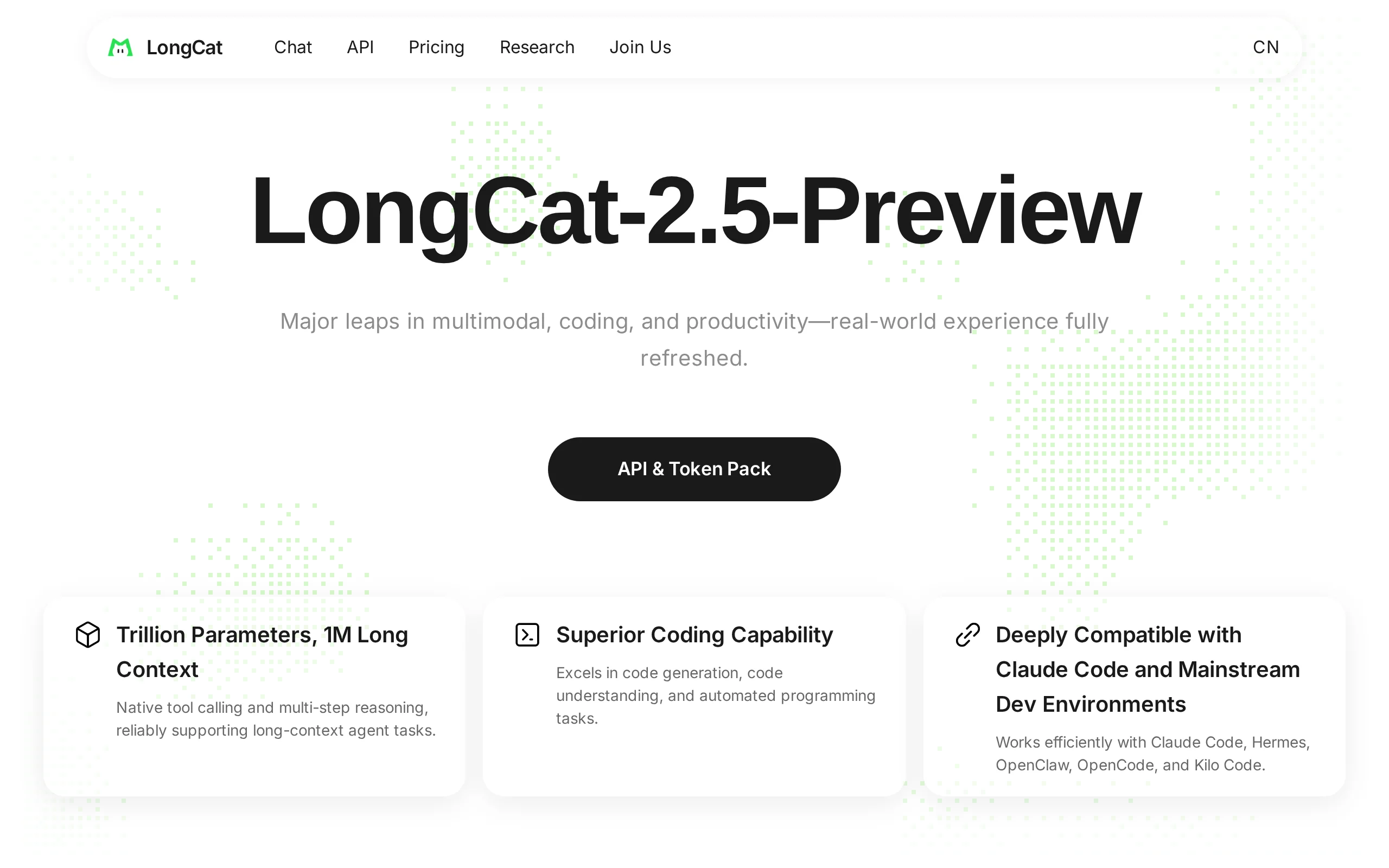
In-Depth Review of Longcat-2.5-preview: Meituan's Next-Generation Multimodal Long-Range Agent Model
LongCat-2.5-preview is Meituan's latest next-generation large model. Building upon the 1.6T total parameters, approximately 48B active parameters, and native 1M token context of LongCat-2.0, it marks ...
Xiaomi MiMo-V2.6 – Xiaomi's Open-Source Multimodal Model Series
Xiaomi MiMo-V2.6 is a series of fully multimodal models released and open-sourced by Xiaomi, comprising two native full-modal models: Pro and Flash. It is centered on large-scale Agentic reinforcement...
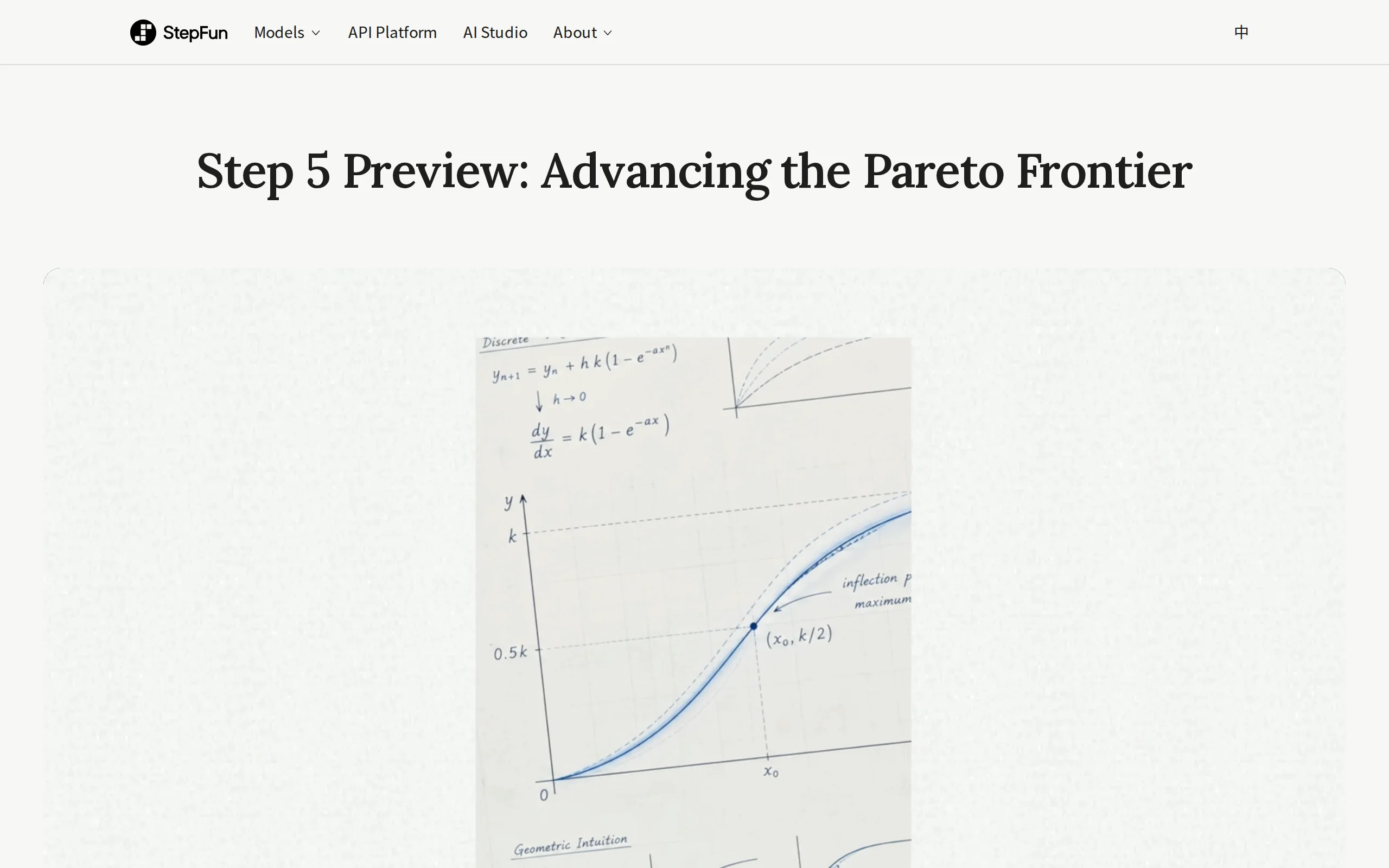
In-Depth Review of Step 5 Preview: A 600B Sparse MoE Flagship with 1M Token Context and 1/8 Cost Advantage
Step 5 Preview is a new-generation flagship foundation model launched by StepFun, designed for real-world Agentic tasks. Based on a sparse MoE architecture, the model has a total of 600B parameters bu...
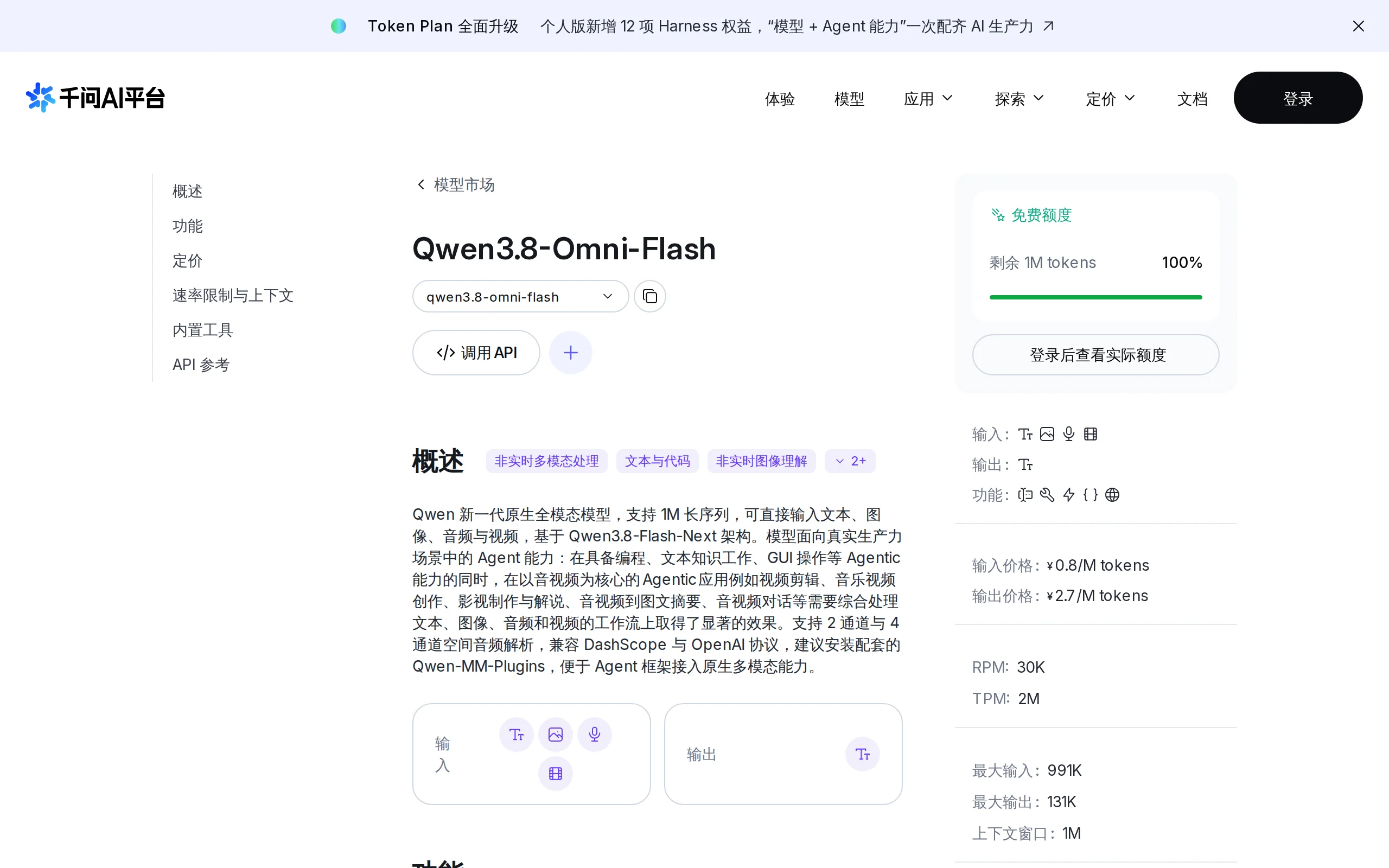
Qwen3.8-Omni-Flash – A Native Multimodal Model Launched by Alibaba Qwen
Qwen3.8-Omni-Flash is a native multimodal model launched by Alibaba Qwen. It jointly models four modalities—text, image, audio, and video—within a single architecture, supporting a context length of u...
© All Rights Reserved. Some content on this site is partially generated by AI with human review.