
AI Job Search – Open-Source AI Job Framework for Matching and Search
Executive Summary:
AI Job Search is an open-source job-hunting framework built on Claude Code. It builds deep structured career profiles for intelligent job matching and customized application materials. A draft–review ...
1. What Is AI Job Search
AI Job Search is an open-source job-hunting framework built on Claude Code. It builds deep structured career profiles for intelligent job matching and customized application materials. A draft–review dual-agent workflow drives local execution via the Claude Code CLI: scrape multi-platform listings, score fit on skills, experience, culture, and salary, and generate fact-checked LaTeX resumes and cover letters. Core idea: "profile depth drives output quality"—rich career input yields high-quality tailored outputs.
Image source: Official article
Technical positioning and domain: Open, local AI-assisted job search—not SaaS. Data stays local for privacy. LLM reasoning structures profiles, scores matches, and rewrites narratives for vertical LLM application.
Development background: Open-sourced by MadsLorentzen on Claude Code. Pain: repetitive manual tailoring per role; automation either generic (batch templates) or too technical. AI Job Search balances automation and personalization via dual agents.
Core value: Resolves efficiency vs. quality. Batch tools are fast but generic; manual tailoring is slow. Automated deep-custom LaTeX preserves quality at scale. Career path discovery and STAR interview prep extend beyond document generation.
Technical characteristics: Draft agent writes; review agent researches employers and verifies facts—reducing hallucinated experience. LaTeX output is source-level customizable and professional. Modular CLI adapters for regional job boards—extensible and adaptable.
2. Key Features
Dual-agent workflow: Draft from profile + JD; review independently checks company context and truth—traceable claims, higher credibility, less hallucination.
Smart profile building: Interactive interview or resume import → structured education, skills, roles, behavioral notes, goals—with quantified outcomes ("cut latency 40%") and multi-version narratives per industry.
Job matching and search: CLI plugins scrape boards; score on skills, experience, culture, salary; dedupe and rank; filters for location, company size, salary floor.
Customized applications: Reorder and reframe profile narratives per JD—not keyword stuffing—LaTeX resume and cover letter aligned to each role's core asks.
Interview prep: STAR behavioral story bank from real projects—quantified results and frameworks; variants for technical vs. management tracks.
Career path discovery: Transferable skills surface cross-industry or emerging roles—e.g., manufacturing engineer → IoT solutions architect with migration rationale.
Salary benchmarking: Optional Glassdoor/Payscale-style datasets—percentiles, industry and geo comparison for negotiation.
Multi-platform adapters: Modular CLIs for Jobindex, Indeed, LinkedIn, etc.—configure per target market.
3. How to Use
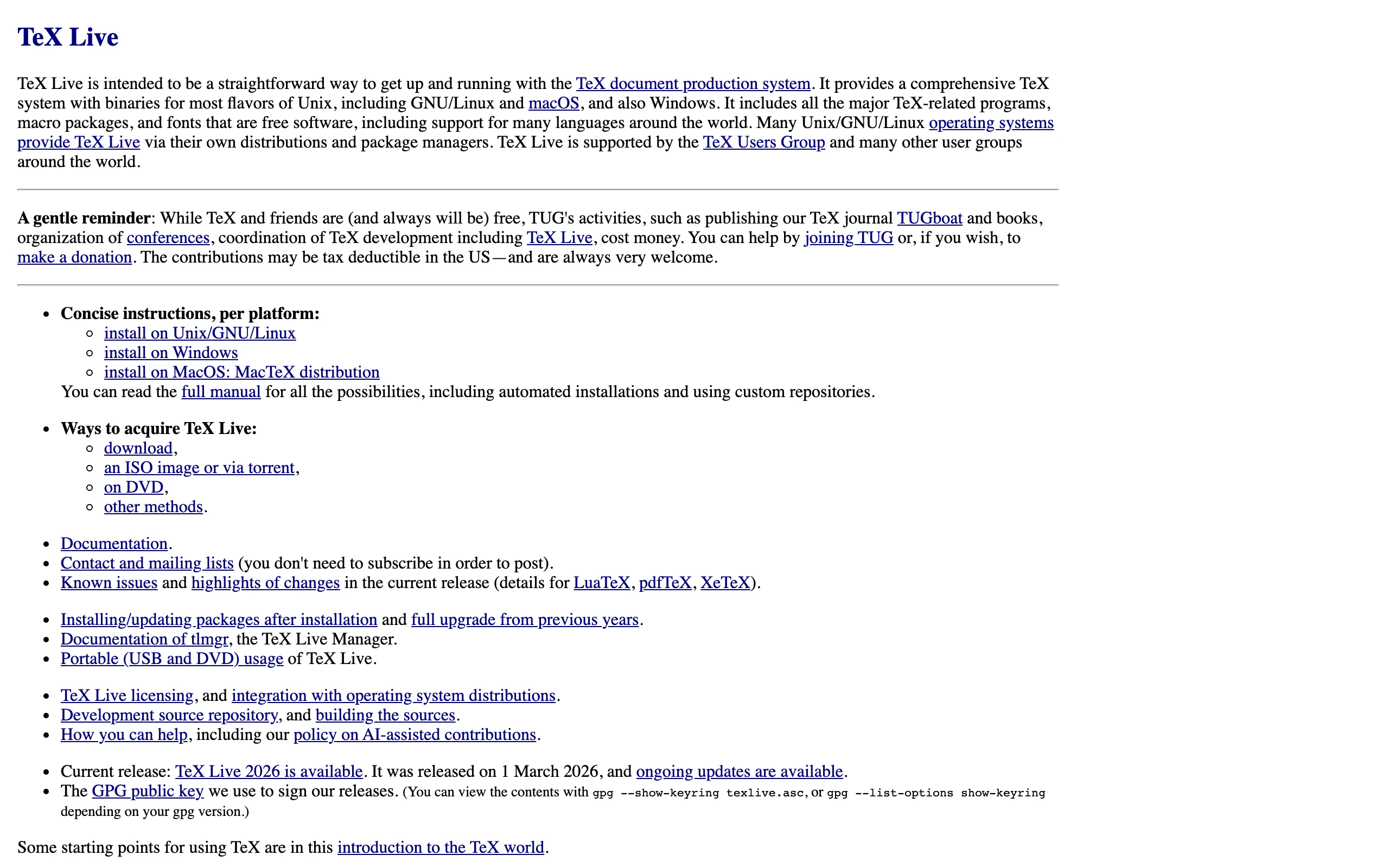
Environment: Claude Code CLI (Claude Pro), Python 3.10+, Bun, LaTeX (TeX Live/MiKTeX). macOS/Linux; Windows via WSL2; Git recommended.
Fork and clone: Fork
MadsLorentzen/ai-job-search;gh repo fork MadsLorentzen/ai-job-search --cloneorgit clone. Use a branch for personal config.Install search tools: e.g.
cd jobindex-search/cli && bun installper platform; configure API keys/logins as required.Build profile: Run
claude, then/setup—interactive interview or import PDF/Word resume. Include metrics, tools, team size.Search jobs:
/scrapewith keywords, location, salary filters—table of title, company, match score, salary; read match rationale.Apply:
/apply <job URL>or paste JD—draft then review; LaTeX inoutput/→ compile to PDF.Interview prep:
/interviewfor STAR banks by role type—export PDF/Markdown.Career explore:
/discoverfor path report, skill gaps, learning resources, entry strategies.
4. Pros and Cons
| Pros |
|---|
| Dual-agent truth checks: Review agent cross-validates drafts—cuts fabricated bullets—higher trust. |
| Deep LaTeX customization: Source-level control of layout and narrative—professional, unique output. |
| Open MIT extensibility: Fork, extend boards, community improvements. |
| Local privacy: Profiles, searches, outputs never leave your machine by default. |
| Career discovery: Surfaces non-obvious cross-industry moves from transferable skills. |
5. Comparison with Similar Tools
| Dimension | AI Job Search | LoopCV | Teal |
|---|---|---|---|
| Positioning | Open deep-custom + truth focus | Auto bulk apply | Tracking and optimization |
| Architecture | Claude Code local | Cloud SaaS | Cloud + extension |
| Automation | Semi-auto /apply; generation auto |
Fully auto 24/7 | Manual with AI edits |
| Customization | LaTeX + dual-agent narrative | Template fill; limited | Modular suggestions |
| Truth guardrails | Dual-agent verification | User profile accuracy only | User responsibility |
| Technical bar | High (CLI stack) | Low web | Low extension |
| Privacy | Highest (local) | Cloud policy | Cloud policy |
| Best for | Technical pros wanting depth | Volume over personalization | Process managers |
Selection advice: Technical candidates needing credible, tailored materials → AI Job Search. Volume-first applicants → LoopCV (watch generic output). Process-focused → Teal. Minimal friction autofill → Simplify.
6. Editor's Take
Dual-agent draft/review is a smart fix for job-search hallucinations—an second pass that audits claims instead of polishing fiction. "AI supervising AI" fits any domain needing factual outputs. LaTeX choice signals serious typography—rare among AI job tools.
It balances efficiency and quality: one deep profile powers many tailored apps; STAR prep and salary data fill gaps most tools ignore.
Audience: engineers, data scientists, researchers comfortable with CLI; complex careers and career pivots benefit most. Claude Code dependency is a strategic risk if Anthropic changes pricing/API.
Open source can grow board coverage; GUI or local LLM backends would widen adoption. — innovation and utility strong; −0.5 for technical bar and Claude Pro cost.
7. Use Cases
High-volume tailored apply: One rich profile → unique LaTeX per company/stack/domain (Java vs Go, ecommerce vs fintech).
Career pivot: Reframe transferable skills and suggest new industries with gap analysis.
Complex backgrounds: Unify startup/consulting/tech threads into coherent multi-version resumes.
Behavioral interview prep: STAR from real projects—conflict, delay, budget scenarios with follow-ups.
Academic/research roles: LaTeX for papers, formulas, citations—accurate technical descriptions.
8. FAQ
Q: Is it free?
A: MIT framework is free; Claude Code needs Claude Pro (~$20/mo). Some board CLIs may need paid APIs.
Q: Avoid fabricated experience?
A: Review agent cross-checks profile; enable strict mode to limit beyond semantic polish. Always read final PDFs.
Q: Chinese resumes?
A: Optimized for English; Chinese LaTeX needs xeCJK etc.; dual-agent less stable in ZH—translate from EN or wait for community plugins.
Q: Add a job board?
A: Implement a search CLI like jobindex-search/cli; register in search-tools config. Watch GitHub for community adapters.
Q: Compile LaTeX to PDF?
A: pdflatex resume.tex or xelatex per template; TeX Live/MiKTeX locally or upload .tex to Overleaf.
Q: Privacy?
A: Local storage only—back up profiles/ and output/; clear caches on shared machines.
Q: OS support?
A: macOS/Linux native; Windows via WSL2 for full dependency support.
9. Project Links
- GitHub: https://github.com/MadsLorentzen/ai-job-search
- Claude Code docs: https://docs.anthropic.com/en/docs/claude-code/overview
- TeX Live: https://www.tug.org/texlive/ | MiKTeX: https://miktex.org/
Related AI Model Articles
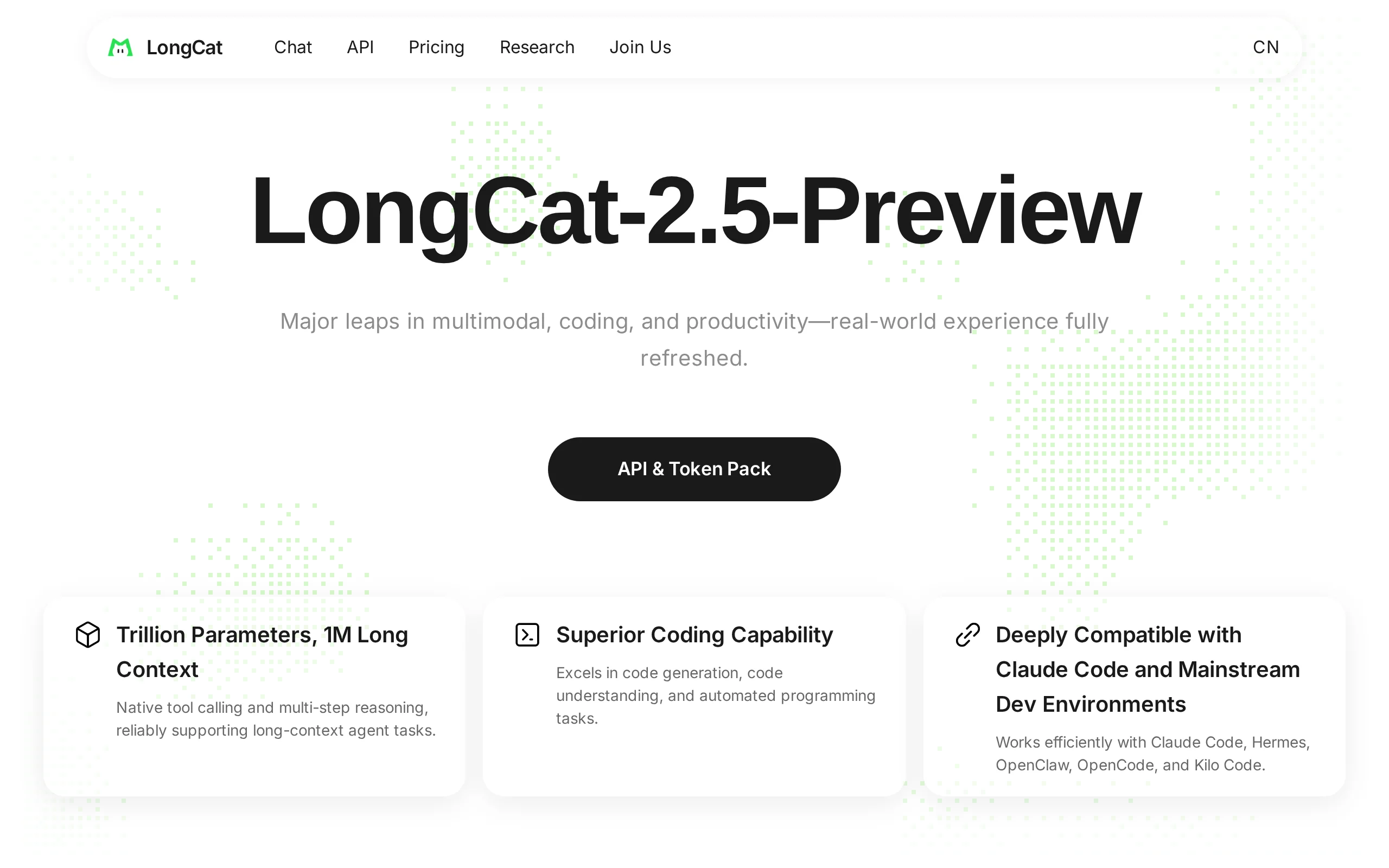
In-Depth Review of Longcat-2.5-preview: Meituan's Next-Generation Multimodal Long-Range Agent Model
LongCat-2.5-preview is Meituan's latest next-generation large model. Building upon the 1.6T total parameters, approximately 48B active parameters, and native 1M token context of LongCat-2.0, it marks ...
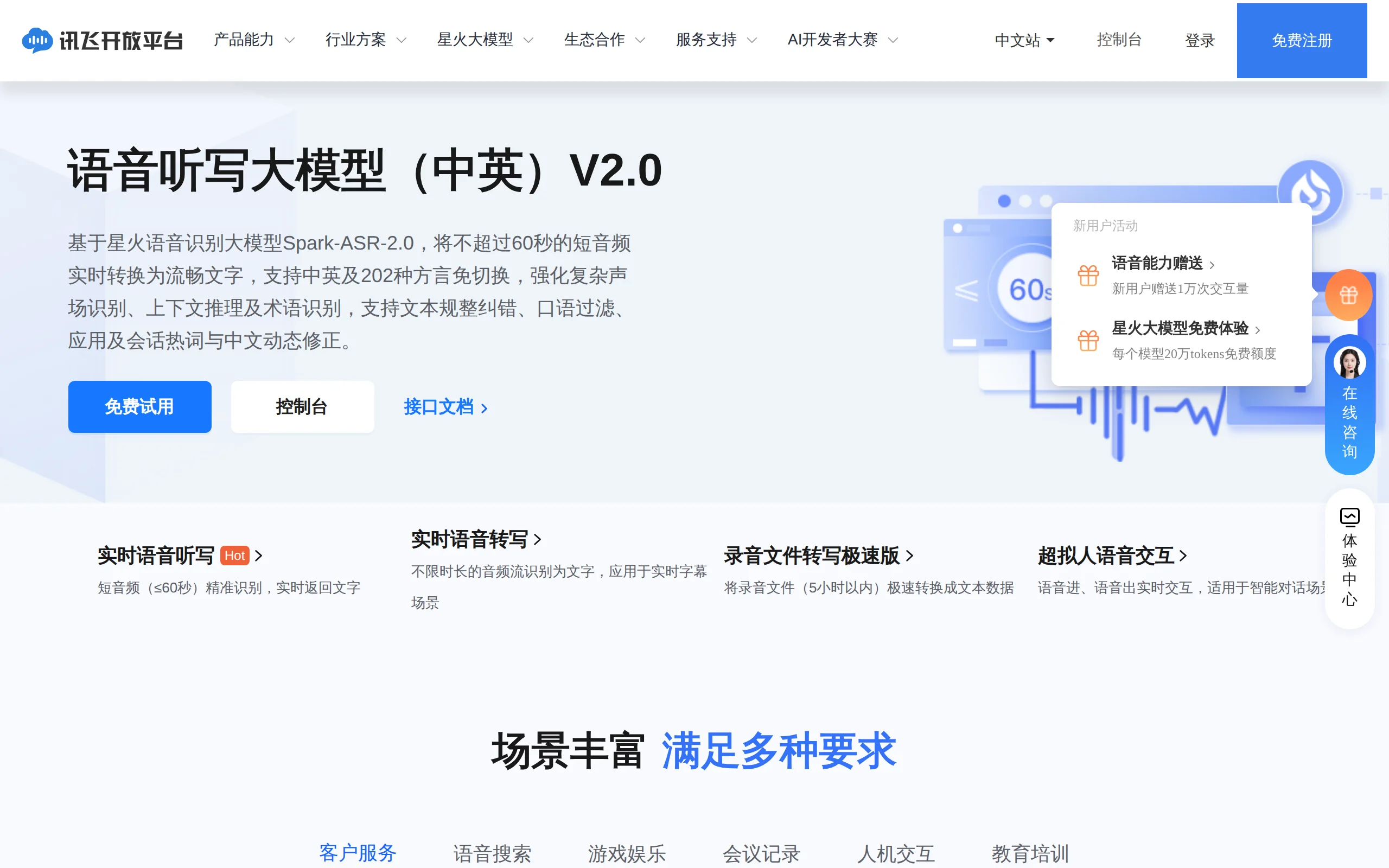
In-Depth Review of Spark-ASR-2.0: A New Paradigm in Speech Recognition with Non-Autoregressive Architecture
Spark-ASR-2.0 is the latest generation speech recognition large model launched by iFLYTEK based on its proprietary Spark-Audio speech foundation model. This model continues the non-autoregressive para...
Step Code – In-Depth Review of StepFun's Open-Source Terminal Programming Agent
Step Code is an open-source terminal programming agent launched by StepFun, licensed under the MIT License, which allows developers to complete the full workflow of code writing, debugging, execution,...
Xiaomi MiMo-V2.6 – Xiaomi's Open-Source Multimodal Model Series
Xiaomi MiMo-V2.6 is a series of fully multimodal models released and open-sourced by Xiaomi, comprising two native full-modal models: Pro and Flash. It is centered on large-scale Agentic reinforcement...
© All Rights Reserved. Some content on this site is partially generated by AI with human review.