
GLM-5.1-highspeed – Zhipu AI's High-Speed Flagship Model API
Executive Summary:
GLM-5.1-highspeed is Zhipu AI's high-speed API variant of the GLM-5.1 flagship, delivering 400 tokens/s output via the proprietary TileRT inference engine—a new bar for LLM API throughput. It retains ...
1. What Is GLM-5.1-highspeed
GLM-5.1-highspeed is Zhipu AI's high-speed API variant of the GLM-5.1 flagship, delivering 400 tokens/s output via the proprietary TileRT inference engine—a new bar for LLM API throughput. It retains full GLM-5.1 capabilities with 200K context and 128K max output, targeting latency-critical Coding Agents, real-time interaction, and business decision systems. Currently offered to select enterprise customers on the BigModel platform. Its breakthrough: flagship quality without the usual "fast means small" tradeoff—first domestic model to combine top-tier ability with extreme response speed.
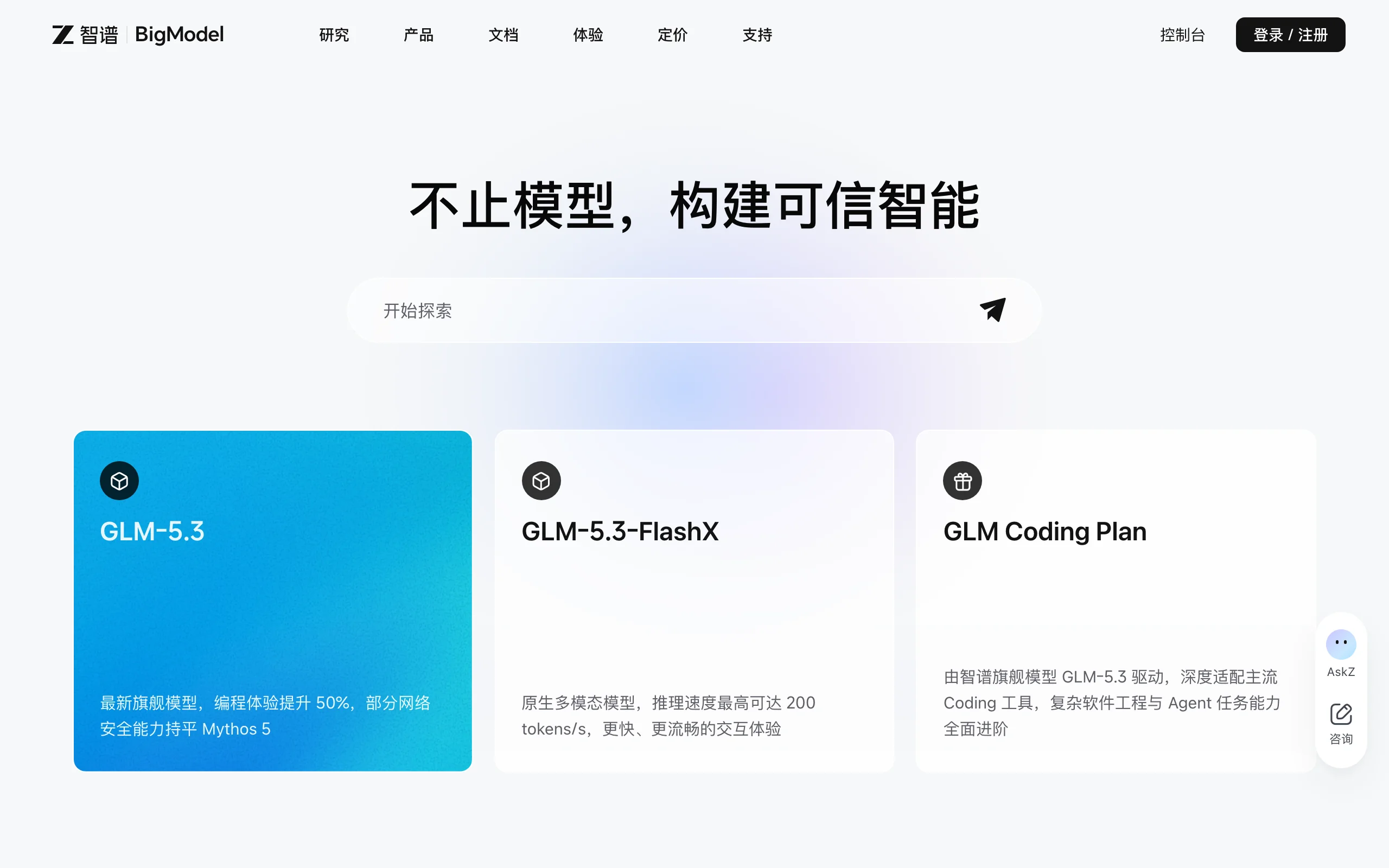
Image source: Official article
Technical positioning and domain: LLM inference acceleration for enterprise production—flagship high-speed API without pruning/quantization quality loss, achieved through full-stack engine optimization.
Development background: From Zhipu AI's GLM lineage, addressing industry demand to avoid choosing speed OR quality—high-speed SKUs often weaken capability; flagships lag on latency. GLM-5.1-highspeed resolves that tension.
Core value: Ends "fast OR good" in real-time AI—coding, voice, decisions where milliseconds matter. Developers keep flagship reasoning, coding, and general task strength while approaching real-time conversational UX.
Technical characteristics: TileRT persistent engine, register-level data paths, tile-level micro-scheduling, heterogeneous multi-GPU coordination—compile through hardware scheduling for stable 400 TPS production performance.
2. Key Features
Ultra-fast generation: 400 tokens/s—top-tier among flagships—compresses multi-second reasoning to sub-second feel for smoother UX.
Full flagship capability: No quality sacrifice—same GLM-5.1 coding, reasoning, and general performance as the standard tier.
MCP tool calling: Model Context Protocol access to external tools and data—DBs, APIs, internal systems beyond static weights.
Thinking mode: Optional
thinkingexposes chain-of-thought alongside answers—for code review, decision support, interpretability.Streaming output: SSE streaming—token-by-token delivery cuts perceived latency.
Long context: 200K input, 128K output—for large refactors, long document analysis, engineering-scale code tasks. Combined with high throughput, teams can stream lengthy code reviews or multi-chapter summaries without the minute-long waits typical of standard flagship endpoints.
Enterprise-grade routing: Behind the API, Zhipu applies dynamic batching and cluster load balancing so latency stays predictable when many agents or users hit the same tenant concurrently—important for production Coding Agent fleets rather than single-user demos.
3. How to Use
API access: Enterprise-only on BigModel—contact sales for qualification, API key, and agreements.
SDK install: Python:
pip install zhipuaiorpip install zai-sdk. Java: add Maven dependency from docs.Client init:
client = ZhipuAI(api_key="your_api_key")—protect keys, no hardcoding in repos.Request config: Set model
glm-5.1-highspeed; optionalextra_body={"enable_thinking": True}andstream=True; tunemax_tokens,temperature.Call:
client.chat.completions.create(...)—iterate stream chunks in production; add retries and error handling.Check the model id: The request must use
glm-5.1-highspeed. The standard GLM-5.1 name will not hit the 400 tokens/s path.Measure TPS: Compare first-token and steady-state tokens/s on streaming calls against the claimed 400 TPS; if you only see standard-tier speed, the entitlement is probably not enabled.
Keys and limits: Store keys in env vars; add timeouts, retries, and concurrency caps. Context is 200K with 128K max output—truncate locally before the gateway rejects the call.
4. Pros and Cons
| Pros |
|---|
| Speed + quality: 400 TPS with full GLM-5.1—"lossless acceleration" vs typical fast SKUs. |
| Full-stack optimization: TileRT compile-time scheduling through runtime tiles and LB—deep technical moat. |
| Production-stable 400 TPS: Not peak bench—sustained under concurrency. |
| Long context at speed: 200K/128K leading among fast flagships for big code/doc jobs. |
5. Comparison with Similar Tools
| Dimension | GLM-5.1-HighSpeed | Gemini-2.5-Flash | GPT-4o-mini |
|---|---|---|---|
| Output speed | 400 tokens/s | ~200 tokens/s | ~150 tokens/s |
| Positioning | Fast flagship (full capability) | Fast lightweight | Economical small |
| Context | 200K | 1M | 128K |
| Max output | 128K | 8K | 16K |
| Thinking | ✅ thinking mode | ✅ | ❌ |
| Tools | MCP | Function calling | Function calling |
| Availability | Enterprise invite | Public + free tier | Public |
| Reasoning | Flagship (code/reason/general) | Mid-high | Mid |
Selection advice: Extreme speed + flagship reasoning for enterprise coding/real-time—GLM-5.1-highspeed if you can access it. Need >200K context and can trade speed—Gemini 2.5 Flash. Individuals—GPT-4o-mini or Haiku for openness and ecosystem despite compromises.
6. Editor's Review
GLM-5.1-highspeed proves speed and flagship ability can coexist in domestic LLMs. TileRT's compile-time static orchestration, register paths, and tile scheduling beat pure pruning/quantization on long-term value.
It hits enterprise latency pain—AI coding and live support where every ms counts. 400 TPS approaches reading speed—true real-time human–AI pairing.
Enterprise-only access slows democratization; broader API and docs would accelerate adoption.
Rating: ★★★★☆ (4/5) — Leading metrics and innovation; −1 for access limits and young ecosystem.
7. Use Cases
AI coding assistants: Real-time code, interfaces, call chains during edits—128K output for whole-module refactors.
Real-time interactive systems: Games, dynamic UI, instant content feedback—not batch request/response UX.
Business decision support: Fast multi-report analysis in 200K context—strategy generation and agent parallel what-if.
Voice and live support: Low-latency understanding and reply generation for assistants and contact centers.
8. FAQ
Q: Is 400 TPS peak or sustained?
A: Production-stable throughput via TileRT, dynamic batching, and cluster LB—not marketing peak only.
Q: Can individuals use it?
A: Not currently—enterprise BigModel customers only. Watch for wider release; use standard GLM-5.1 meanwhile.
Q: vs standard GLM-5.1 capability?
A: Same coding/reasoning/general strength—only inference engine and speed differ (TileRT @ 400 TPS).
Q: Enable thinking mode?
A: extra_body={"enable_thinking": True} in API calls.
Q: Pricing and free trial?
A: Contact BigModel sales—no public price list. Enterprise packages typically bundle SLA guarantees, dedicated quota pools, and optional private-link deployment; trial terms vary by contract size and use case (coding agents vs. customer-facing chat).
Q: Which SDK parameters matter most for latency-sensitive apps?
A: Enable stream=True so clients render partial tokens immediately; keep max_tokens as low as the task allows; disable thinking mode when chain-of-thought is unnecessary; reuse connections and batch non-urgent calls off the hot path. For agent loops, pin tool schemas tightly to reduce verbose completions.
9. Project Links
- Documentation: https://docs.bigmodel.cn/cn/guide/models/text/glm-5.1-highspeed
- BigModel platform: https://bigmodel.cn
Related AI Model Articles
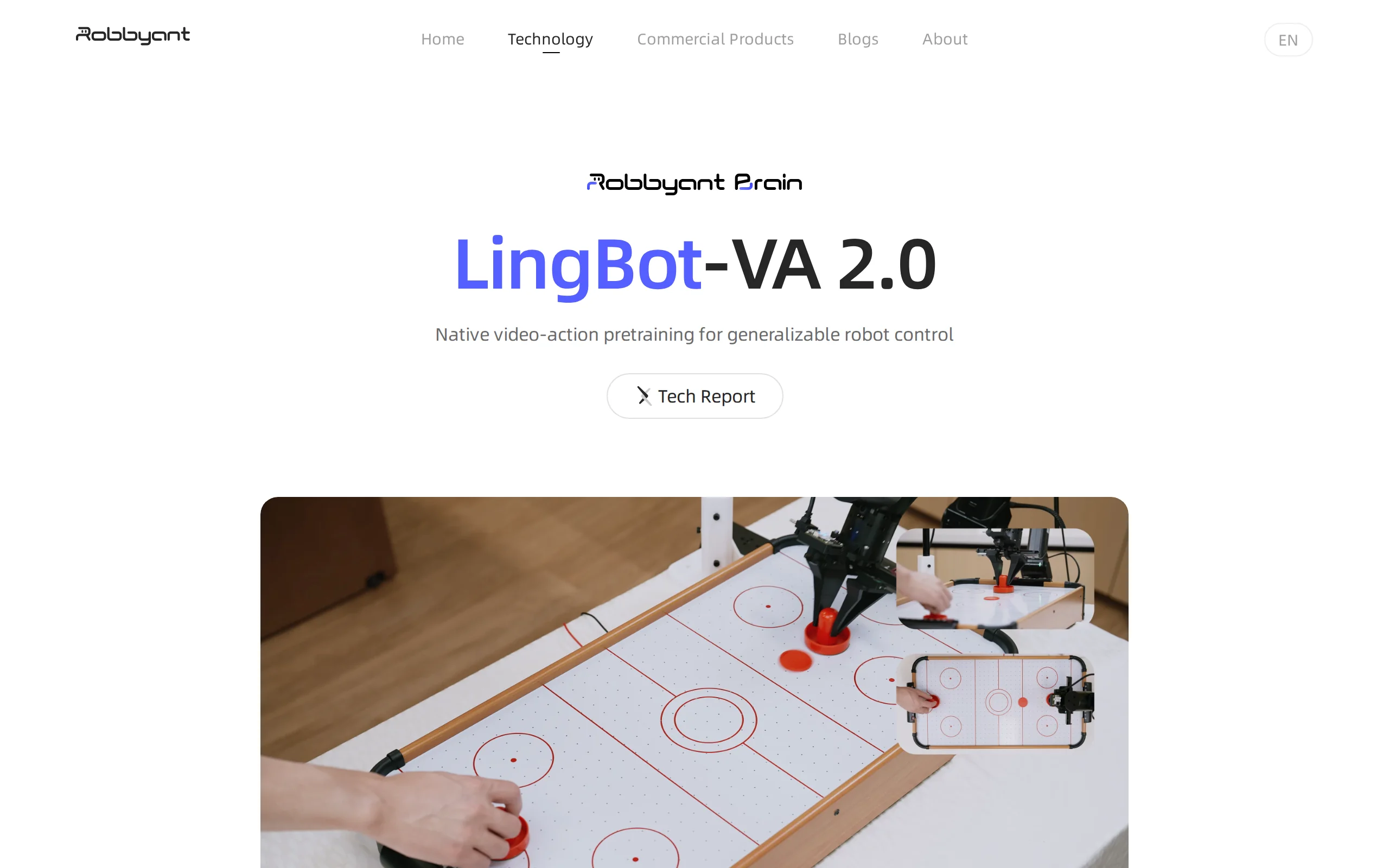
LingBot-VA 2.0 – AntWorld's Native World Action Model for Embodied Intelligence
LingBot-VA 2.0 is AntWorld's industry-first native world action model for embodied intelligence, pre-trained from scratch based on an autoregressive architecture, enabling robots to possess general-pu...
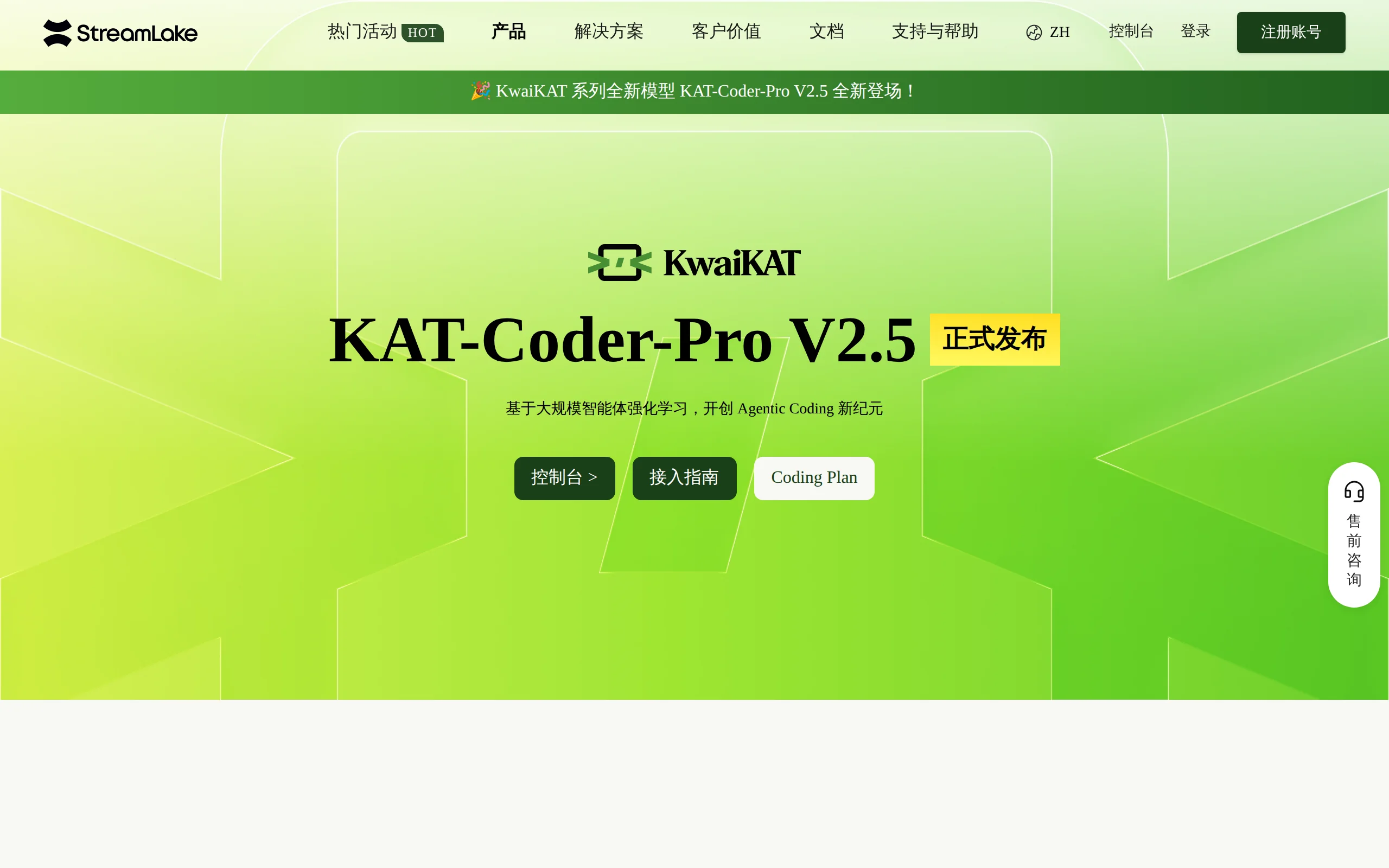
KAT-Coder-Pro V2.5 – Kwai's Agentic Coding Model
KAT-Coder-Pro V2.5 is the flagship Agentic Coding model introduced by KwaiKAT, focusing on long-range engineering capabilities and general Agentic abilities. By leveraging its self-developed AutoBuild...
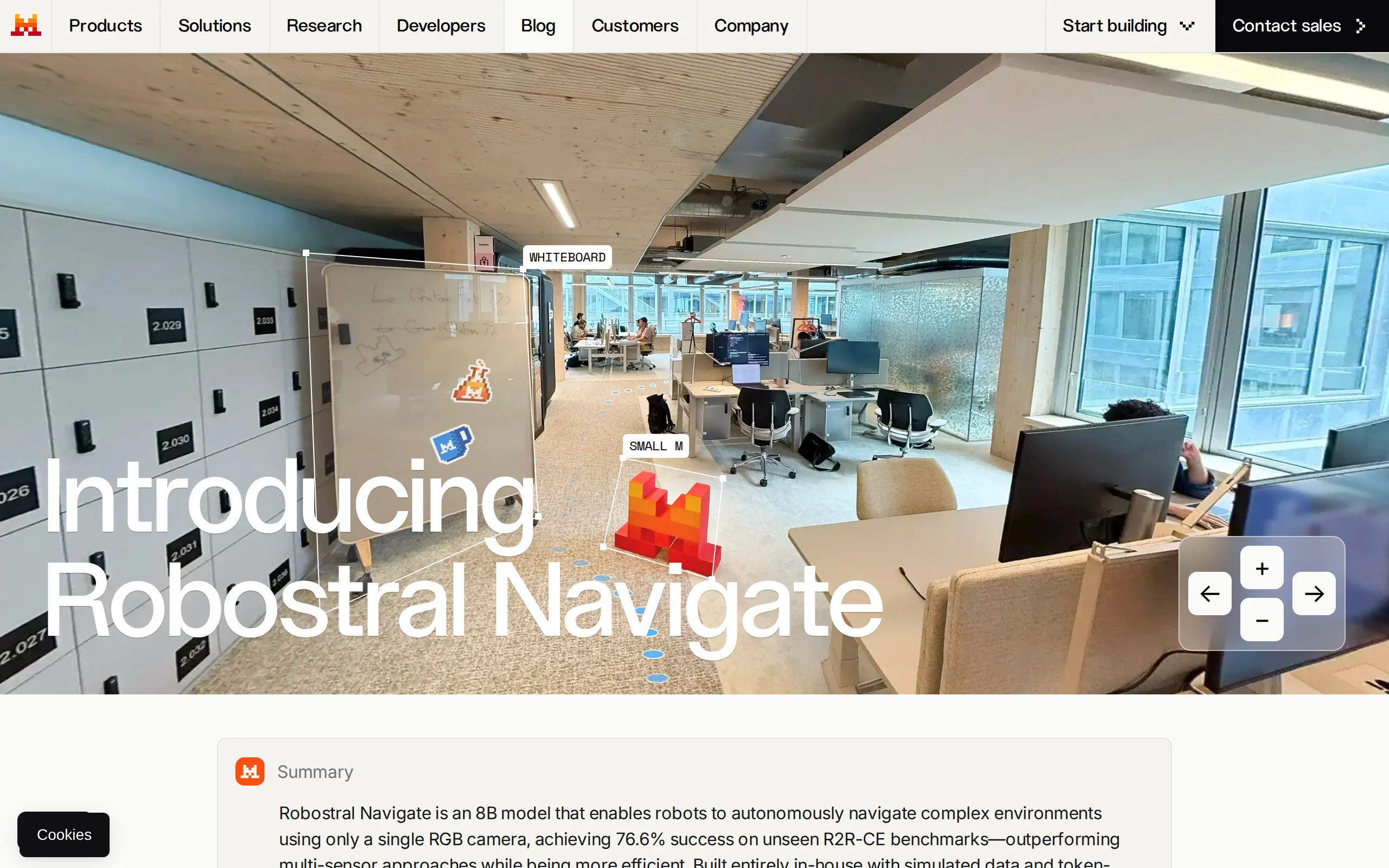
Robostral Navigate – Mistral AI's Embodied Intelligence Navigation Model
Robostral Navigate is Mistral AI's first embodied intelligence navigation model. Its core innovation lies in enabling robots to achieve autonomous navigation in complex environments using only a stand...
Seedream 5.0 Pro – A Multimodal Image Creation Model Launched by ByteDance
Seedream 5.0 Pro is a multimodal image creation model introduced by ByteDance's Seed team, specifically designed for complex professional scenarios. This model has achieved a comprehensive upgrade in ...
© All Rights Reserved. Some content on this site is partially generated by AI with human review.