
Seedance 2.0 Mini – ByteDance's Lightweight Video Generation Model
Executive Summary:
Seedance 2.0 Mini is a cost-efficient lightweight video generation model from ByteDance Volcano Engine for high-frequency short-video production, marketing asset iteration, and early-stage drafts. It ...
1. What Is Seedance 2.0 Mini
Seedance 2.0 Mini is a cost-efficient lightweight video generation model from ByteDance Volcano Engine for high-frequency short-video production, marketing asset iteration, and early-stage drafts. It keeps core multimodal reference generation while cutting cost ~50% vs the standard tier and running 2× faster than Seedance 2.0 Fast—a 10-second clip completes in ~2 minutes in testing. Dual-branch parallel generation, unified multimodal joint training, and distillation/compression deliver better motion and stability at 720P— a leading lightweight option balancing efficiency and quality.
Technical positioning and domain: Multimodal video generation—text/image/video-to-video. Lightweight tier for high-throughput, low-latency batch production alongside Seedance 2.0 Pro and Fast—fills “high-value batch generation.”
Research background: Volcano Engine team builds on ByteDance video understanding, multimodal learning, and large-scale training. Prior Seedance 2.0 releases informed Mini to tackle cost and speed barriers for commercial AI video at scale.
Core value: Unit cost down to ~¥0.5/sec at 720P (C-side members temporarily ~¥0.16/sec) with ~2 min for 10s video—economically viable for short-video matrices, e-commerce talking-head batches, and ad A/B tests. Multimodal reference fuses up to 12 assets (6 images + 3 audio + 3 video) for character consistency, motion, and pacing at low cost.
Technical characteristics: Dual-branch parallel architecture decouples content generation and render optimization; unified multimodal training maps text/image/audio/video to one representation space; distillation, structured pruning, and quantization shrink model to 1/5–1/10 size, 2× inference speed, ~40% less compute while preserving core visual quality.
2. Key Features
Multimodal input generation: Text-to-video, image-to-video, video-to-video—from copy to asset reuse, especially marketing workflows.
Multimodal reference system: Up to 12 references (6 images + 3 audio + 3 video)—joint inference locks face, wardrobe, motion, cuts, and story beat—strong for recurring characters and multi-scene narratives vs text-only control.
Native audio-visual sync: Audio references drive lip-sync for talking/rapping and millisecond-aligned ambient SFX from joint audio-visual training—no post sync—critical for e-commerce digital humans and virtual anchors.
720P standard output: Default 720P balances quality and cost for Douyin/Kuaishou-class platforms vs higher-res tiers.
Long-text and complex scene understanding: Detailed action, multi-shot, pacing prompts—e-commerce scripts, surreal scenes, physics (fluid, cloth)—deeper semantic layers vs naive stitching.
Character consistency and motion extension: Reference images preserve identity and wardrobe; supports growth/morph transitions (child to adult, realistic to surreal) with stable facial and texture continuity.
3. How to Use
Entry points: No standalone deploy yet—use ByteDance products: Xiaoyunque (creator platform), Jimeng AI (consumer app), Volcano Ark model center (developer API trial). All compute is cloud-side.
Volcano Ark center: Select Seedance 2.0 Mini in model list; web UI for prompts and reference uploads. Trial pricing ~¥0.023 per 1K tokens for small tests.
API (opening soon): REST API planned official open 2026-06-22—batch jobs, callbacks, resolution/fps/style params. Register on Ark and apply API keys ahead of launch.
Key settings: Adjust reference fusion weights; motion intensity; pacing (slow/standard/fast). For character lock, include at least one clear front-facing face reference.
Best practices: Prompts should cover subject, action, scene, style, lighting—avoid vague prose. References ≥512×512 images; audio ≤30s suggested. Output 720P—upscale externally if needed. No realtime streaming—~2 min wait for 10s video.
4. Pros and Cons
| Pros |
|---|
| Major cost reduction: ~50% vs standard; ~¥0.5/s at 720P, members ~¥0.16/s—batch video becomes affordable. |
| Very fast generation: 2× Seedance 2.0 Fast—~2 min for 10s—faster creative iteration. |
| Strong multimodal fusion: 12 references, leading character sync and A/V alignment in class. |
| Strong long-prompt handling: Multi-shot e-commerce and surreal scenes stable. |
| Efficient lightweight stack: 1/5–1/10 size, ~40% less compute, retained core quality via distillation. |
5. Comparison with Similar Tools
| Dimension | Seedance 2.0 Mini | Seedance 2.0 Fast | Seedance 2.0 Standard |
|---|---|---|---|
| Architecture | Dual-branch + unified multimodal training | Similar, less compression | Full dual-branch, no compression |
| Speed (10s video) | ~2 min (2× Fast) | ~4 min | ~6–8 min |
| Features | 12-ref system, native A/V sync, identity | Fast drafts, basic multimodal | Higher quality, 4K upscale option |
| Deployment | Cloud (Ark/Xiaoyunque/Jimeng), API soon | Cloud, API open | Cloud, API open |
| Ease of use | Low-friction web prompts | Same, slower | Same family UX |
| License | Closed commercial | Closed | Closed |
| Community | ByteDance products, smaller | Same | Same |
| Output quality | 720P, motion > Fast/Pro in tests | 720P, medium motion | 720P/1080P, best fidelity |
Selection guidance: High-frequency short-video matrices and e-commerce clips: Mini best ROI on cost/speed. Fewer clips, max quality: Seedance standard or Runway Gen-3. Previz/storyboards: Mini’s 2 min/10s helps; fine camera control: Runway camera tools. Mini dominates “volume + low cost”; Runway wins “creative exploration + premium quality.”
6. Editor's Take
Mini’s dual-branch design is systems engineering—not mere shrink—decoupling content and render beats naive parameter cuts. Unified multimodal training understands cross-modal semantics, visible when fusing 12 references. Distillation to 1/5–1/10 size with 2× speed and ~40% less compute yet motion beating heavier Fast/Pro shows knowledge retention in distillation.
Commercially, cost is the unlock—¥0.5/s enables enterprise scale; ¥0.16/s for members reaches individuals. MCNs, e-commerce, agencies can batch video like images. Identity + sync reliable for digital-human lip-sync.
Audience: high-volume creators, e-commerce live teams, ad prototypers, low-cost AI video hobbyists. Cinema teams may need upscale; previz already sufficient.
Post-2026-06-22 API could widen third-party integration. Open/local deploy would attract devs—long term, lightweight video may replace parts of traditional render pipelines.
Near-top on cost/speed and multimodal fusion; −0.25 each for 720P cap and closed ecosystem—for batch short-video producers, likely the best current choice.
7. Use Cases
Short-video batch production: MCNs pump dozens of 720P dailies with consistent brand refs—under ¥0.5 per clip.
E-commerce digital-human voiceover: Host photo + product script → synced talking video for PDP, live clips, ads—cuts live-shoot cost.
Marketing rapid iteration: A/B many 15s ad styles (tech, cozy, outdoor) before full production—data picks winners early.
UGC effects: Selfie + audio → transform/morph shorts for social virality.
Previz drafts: Script-to-motion storyboard in meetings—2 min/10s enables multiple options per session vs static boards.
8. FAQ
Q: Mini vs Seedance 2.0 standard?
A: Mini: 720P only, ~50% cheaper, 2× Fast speed (3–4× standard). Standard: higher res/quality, higher cost/time. Mini for volume; standard for premium.
Q: Chinese prompts?
A: Yes—ByteDance LLM base understands Chinese well. Structured prompts beat colloquial vagueness.
Q: Max reference assets?
A: 12 total: 6 images, 3 audio, 3 video—for look, sync, motion/camera demos; auto-fused.
Q: Commercial use?
A: Follow Volcano/Xiaoyunque/Jimeng terms—generally users get commercial rights subject to content policy; read agreements before ads.
Q: API timeline and apply?
A: Official open 2026-06-22 on Volcano Ark—apply keys in console; batch, callbacks, custom params expected; pricing TBD, likely near trial token rate.
Q: Local deploy?
A: Not announced. Mini could run locally in theory; ByteDance likely keeps cloud for quality/safety—enterprise on-prem possible later.
Related AI Model Articles
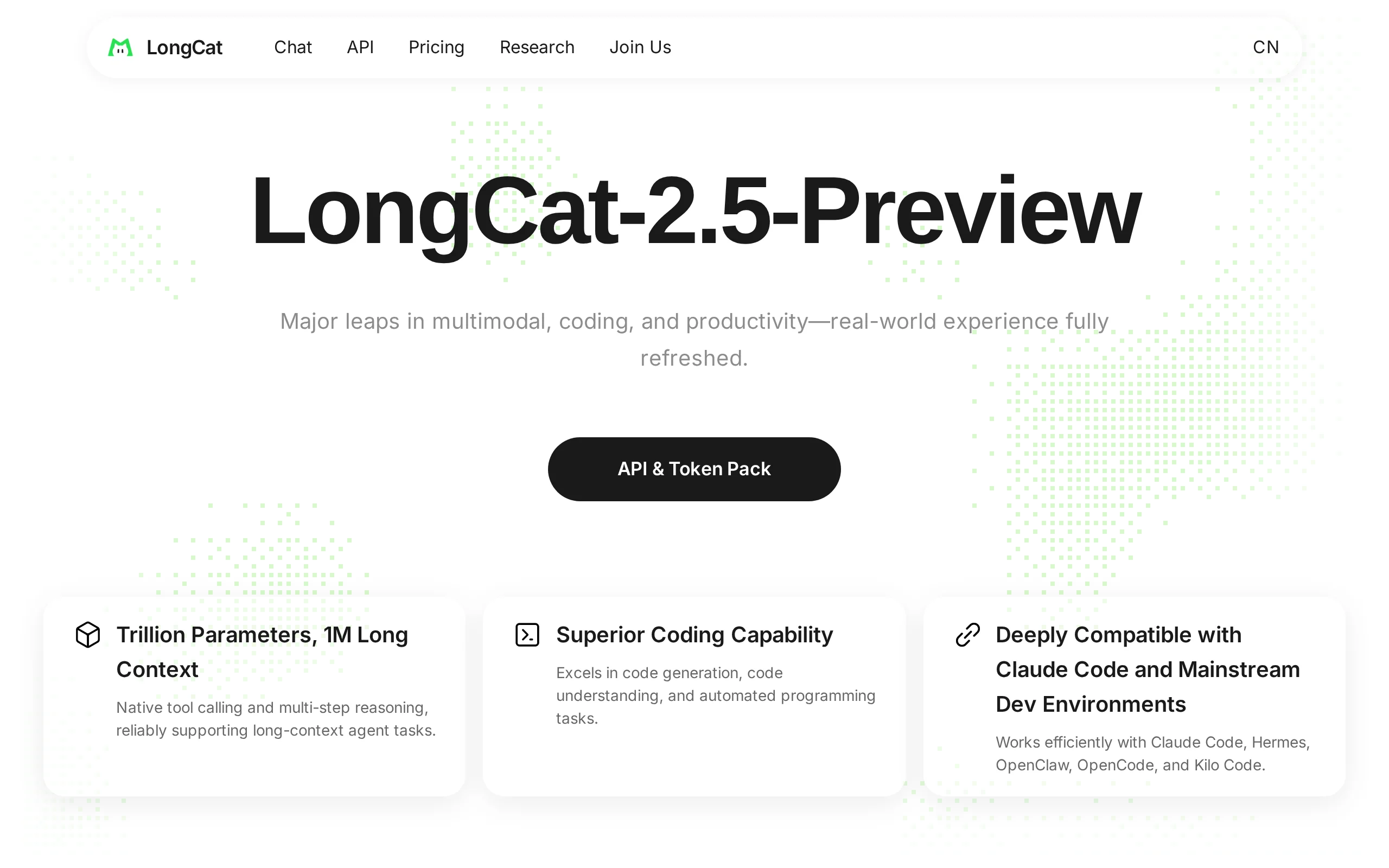
In-Depth Review of Longcat-2.5-preview: Meituan's Next-Generation Multimodal Long-Range Agent Model
LongCat-2.5-preview is Meituan's latest next-generation large model. Building upon the 1.6T total parameters, approximately 48B active parameters, and native 1M token context of LongCat-2.0, it marks ...
Xiaomi MiMo-V2.6 – Xiaomi's Open-Source Multimodal Model Series
Xiaomi MiMo-V2.6 is a series of fully multimodal models released and open-sourced by Xiaomi, comprising two native full-modal models: Pro and Flash. It is centered on large-scale Agentic reinforcement...
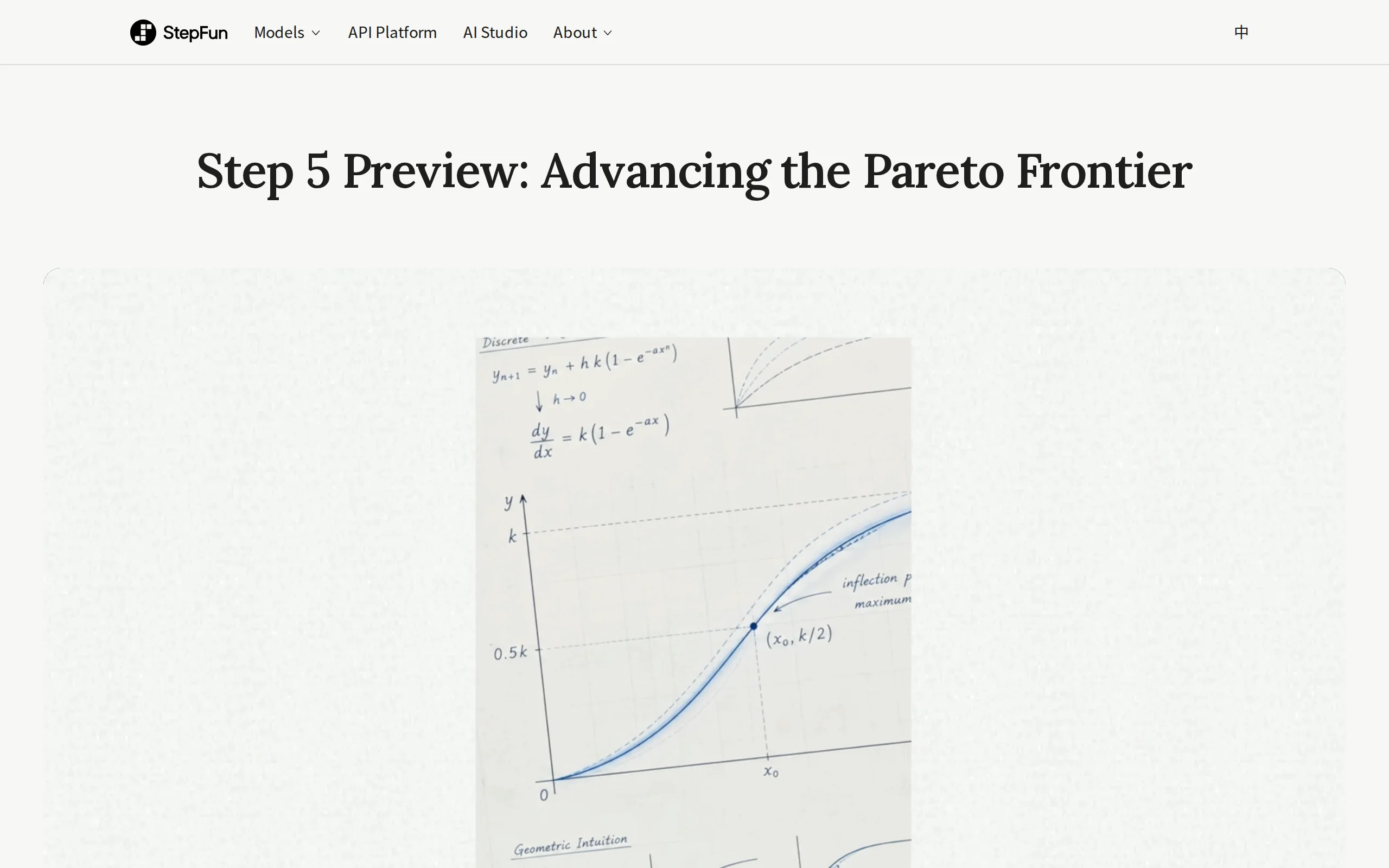
In-Depth Review of Step 5 Preview: A 600B Sparse MoE Flagship with 1M Token Context and 1/8 Cost Advantage
Step 5 Preview is a new-generation flagship foundation model launched by StepFun, designed for real-world Agentic tasks. Based on a sparse MoE architecture, the model has a total of 600B parameters bu...
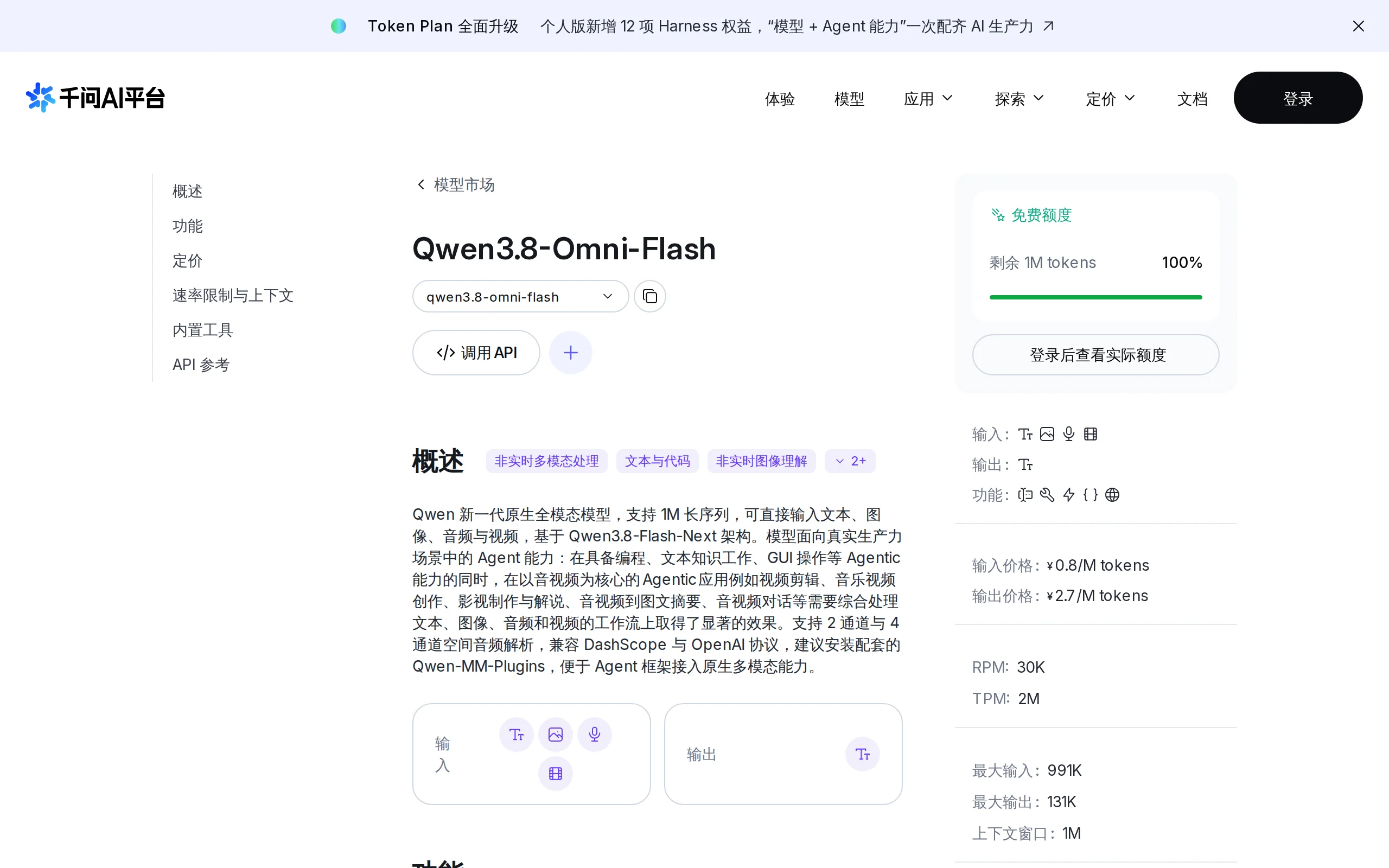
Qwen3.8-Omni-Flash – A Native Multimodal Model Launched by Alibaba Qwen
Qwen3.8-Omni-Flash is a native multimodal model launched by Alibaba Qwen. It jointly models four modalities—text, image, audio, and video—within a single architecture, supporting a context length of u...
© All Rights Reserved. Some content on this site is partially generated by AI with human review.