
FuckClaude – Open-Source Browser Environment Self-Test Tool, Detecting CC Marking

Executive Summary:
FuckClaude is a lightweight, SEO-friendly, bilingual (Chinese/English) open-source single-page browser detection tool. It is designed to scan the user's browser environment and determine whether it wi...
1. What is FuckClaude
FuckClaude is a lightweight, SEO-friendly, bilingual (Chinese/English) open-source single-page browser detection tool. It is designed to scan the user's browser environment and determine whether it will be flagged as a "Chinese user" by Claude Code. The tool performs all 6 fingerprint signal checks locally in the browser (including system timezone, browser language, installed Chinese fonts, Intl locale settings, timezone offset, and Emoji rendering style). It initiates no network requests, uploads no user data, and fully protects privacy. Detection results are displayed intuitively via a dynamic score ring and risk level (Low/Medium/High), with detailed listings of all triggered signals scoring ≥ 0.25 and their specific detected values, helping users precisely identify risk sources. Built on Astro 7.x static output with no UI framework dependencies, it can be deployed to any static hosting platform such as Cloudflare Pages, Vercel, or Netlify with a single click.
Image source: Official article
Image source: official article
Technical positioning and domain: Belongs to the browser fingerprint detection and privacy security field, focusing on AI platform (Claude Code) environment identification mechanisms for Chinese users. Its unique positioning: it is not a general-purpose fingerprint detection tool, but a detector developed specifically through reverse analysis of specific fingerprint techniques used by Claude Code's early relay nodes, including timezone steganographic encoding, date separator variants, and Unicode apostrophe switching. It offers strong specificity and practicality.
Development background: Created and open-sourced on GitHub by individual developer LinXiaoTao. The development motivation stems from Claude Code's early versions, which, when accessed through unofficial API relay nodes (configured via ANTHROPIC_BASE_URL), would fingerprint the user's browser environment to flag "Chinese users" and restrict service. The developer reverse-engineered this mechanism and packaged the detection logic into an open-source tool for developers and users to self-check.
Core value: Solves the problem where developers using unofficial relay nodes cannot predict whether they will be blocked by AI platform risk controls. Through local scanning, users can understand the "Chinese fingerprint" characteristics of their environment without exposing any privacy, and adjust settings such as timezone, language, and fonts to reduce the risk of being flagged. It also serves as a real-world reference case for browser fingerprint detection and anti-detection techniques for security researchers and privacy enthusiasts.
Technical features: 100% local operation, zero network requests, complete privacy protection; weighted scoring across 6 signals with intuitive visualization; transparent and open detection logic based on real reverse analysis; open-source and deployable, supporting multiple static hosting platforms, facilitating community secondary development and customization.
2. Key Features
Browser Environment Fingerprint Scanning: One-click local scanning that uses 6 signals (system timezone, browser language, installed Chinese fonts, Intl locale settings, timezone offset, Emoji rendering style) to comprehensively determine whether a user will be flagged as a "Chinese user" by Claude Code. Each signal outputs a "Chinese similarity" score of 0–1, multiplied by preset weights and accumulated, with a total score of 100.
Real-time Risk Scoring & Visualization: During scanning, the score ring dynamically grows as each signal's risk accumulates, ultimately displaying the total score and risk level (Low 0–30, Medium 31–60, High 61–100). The animation responds smoothly, allowing users to intuitively perceive changes in environmental risk.
Local Privacy Protection: All detection is performed 100% locally within the browser's JavaScript environment, with no network requests initiated and no user data uploaded. No plugins or server-side support are required, completely eliminating the risk of privacy leaks.
Detailed Hit Signal Display: After scanning, the tool provides a clear conclusion (e.g., "High Risk: You are likely to be flagged") and lists all "hit" signals with a score ≥ 0.25, including the actual detected value for each signal (e.g., timezone offset, browser language code, list of installed fonts), helping users precisely identify the source of risk.
Bilingual Interface: Built-in English (
/) and Chinese (/zh/) language versions, automatically adapting to the user's browser language preference, and generating SEO-friendly sitemap and hreflang links for easy indexing by search engines and access by global users.Open Source & Deployable: Based on Astro 7.x static output with no UI framework dependencies; the build output consists of pure static files. It can be deployed with one click to any static hosting platform such as Cloudflare Pages, Vercel, Netlify, GitHub Pages, etc., with support for custom domains and HTTPS.
Transparent Technical Principles: The bottom of the page provides detailed explanations based on publicly available reverse engineering analysis of early Claude Code relay fingerprinting behavior, including detection mechanisms such as timezone steganographic encoding (date separator variants, Unicode apostrophe switching). All weights and algorithm logic are publicly disclosed for technical reference only and do not constitute circumvention advice.
Lightweight & Dependency-Free: The project itself has no dependencies on any third-party UI libraries or runtime frameworks, using only the Astro build tool and native JavaScript. The bundle size is extremely small, load times are fast, and it is SEO-friendly.
3. How to Use
Use Online Directly (Simplest Method): Open your browser and visit (link to be updated after official release) (link to be updated after official release) for 6 signals. No software installation or account registration required.
View Scan Results: Wait for the step-by-step scan animation to complete, and observe the score ring changing in real-time as risks accumulate. After the scan finishes, the page displays risk level assessment (Low/Medium/High), total score, and a detailed list of all triggered signals. Users can thus understand the specific sources of "Chinese fingerprints" in their environment.
Local Development Deployment: Clone the GitHub repository (
git clone (link to be updated after official release)), then runpnpm installto install dependencies. Executepnpm devto start the local development server (default address(link to be updated after official release)). Runpnpm buildto generate static assets in thedist/directory, then usepnpm previewto preview the build result.Custom Domain Deployment: Before deploying to static hosting platforms such as Cloudflare Pages, Vercel, Netlify, or GitHub Pages, modify the
sitefield inastro.config.mjsto your actual domain, and update the Sitemap URL inpublic/robots.txtto ensure canonical links, hreflang, and sitemap point correctly. The build command is typicallypnpm build, and the output directory isdist/.Switch Language Version: A language toggle button is available in the top-right corner of the page, allowing free switching between English (
/) and Chinese (/zh/) interfaces to view detection results and principle explanations in the corresponding language.Understand Detection Principles: After the scan completes, it is recommended to read the "Principle Explanation" section at the bottom of the page to understand the detection methods and weight logic for each signal. Based on the signals you triggered, adjust your browser environment settings accordingly (e.g., change system timezone to a non-China timezone, set browser preferred language to English, uninstall Chinese fonts, etc.) to reduce the risk of being flagged.
4. Pros and Cons Analysis
| Pros |
|---|
| 100% Local Privacy Protection: All detection is completed locally in the browser, with no network requests initiated and no user data uploaded, completely eliminating the risk of privacy leaks. Users do not need to worry about sensitive information being collected. |
| Targeted and Technically Transparent: Specifically designed for the fingerprint mechanism of early relay nodes in Claude Code, with detection logic based on public reverse analysis. Weights and algorithms are fully transparent, allowing users to verify and adjust on their own. |
| Lightweight, Open Source, and Deployable: Based on Astro 7.x static output with no UI framework dependencies, resulting in a very small build size. It can be deployed to mainstream static hosting platforms with one click, facilitating community secondary development and customization. |
| Bilingual and SEO-Friendly: Built-in bilingual interface that automatically adapts to user language preferences, generating sitemap and hreflang links for global user access and search engine indexing. |
5. Comparison of Similar Tools
| Dimension | FuckClaude | BrowserLeaks | CoverYourTracks (formerly Panopticlick) |
|---|---|---|---|
| Core Architecture | Pure frontend JavaScript, Astro static site, single-page application | Pure frontend JavaScript, multi-page display, no build tools | Pure frontend JavaScript, single-page application, maintained by EFF |
| Detection Dimensions | 6 signals specifically targeting Claude Code (timezone, language, fonts, Intl, timezone offset, Emoji) | Dozens of general browser fingerprints (IP, WebRTC, Canvas, WebGL, fonts, plugins, screen, etc.) | Dozens of general browser fingerprints (Canvas, WebGL, fonts, timezone, language, User-Agent, etc.) |
| Privacy Protection | 100% local detection, zero network requests | Some detections require network access (e.g., IP address, WebRTC), data is uploaded to server | Detection results are anonymously uploaded to EFF servers for statistics, but can run offline |
| Open Source License | Open source (specific license to be checked in repository LICENSE file) | Open source (MIT license) | Open source (GPL v3) |
| Deployment Method | One-click deployment to static platforms like Cloudflare Pages, Vercel | Direct website access or self-deployment (requires web server) | Direct website access or self-deployment (requires web server) |
| Key Features | Specifically targets Claude Code risk control; dynamic score ring visualization; detailed list of matched signals | Complete fingerprint report export; WebRTC leak detection; IP information display | Anti-fingerprinting browser testing; anonymized statistical reports; privacy protection score |
| Target Users | Developers and security researchers using Claude Code relay nodes | Privacy enthusiasts, developers, security researchers | General users, privacy advocates |
Selection Recommendations: If your primary concern is whether you will be flagged as a "Chinese user" by Claude Code, then FuckClaude is the only targeted tool, with detection logic fully designed around Claude Code's fingerprinting mechanism. Other general-purpose tools cannot provide equally precise judgment. For users who need a comprehensive understanding of browser fingerprint leakage (e.g., multi-account isolation operators), BrowserLeaks or CoverYourTracks are recommended as they cover more fingerprint dimensions. For enterprise teams requiring long-term, stable device fingerprint generation for risk control or anti-fraud, FuckClaude is not suitable; instead, choose commercial solutions like FingerprintJS that provide persistent identification IDs.
6. Editor's Take
FuckClaude is a highly targeted open-source tool whose greatest innovation lies in transforming reverse engineering findings into an interactive detection service, filling a gap in self-inspection for Claude Code users' environments. From a technical perspective, the project is based on public reverse engineering of early relay node fingerprint behaviors in Claude Code, revealing unconventional detection methods such as timezone steganographic encoding (date separator variants, Unicode apostrophe switching). This is not only a practical detection tool but also an interesting case study in browser fingerprinting technology. Although there are only 6 detection signals, the weight design is reasonable, the score ring visualization is clear and intuitive, and the user experience is good.
In terms of practical value, this tool offers direct help to developers and teams using unofficial API relay nodes—by detecting and adjusting environments in advance, it can significantly reduce the likelihood of being blocked by AI platform risk controls. Additionally, its 100% local operation design completely eliminates privacy concerns, which is especially important in today's data-sensitive environment. However, the tool's limitations are also evident: it heavily relies on Claude Code's current fingerprinting strategy—once Anthropic updates its risk control logic, the tool may become ineffective; moreover, it lacks a one-click fix feature, requiring users to manually adjust system settings, which poses a higher operational barrier.
The target audience is clearly defined: primarily developers using Claude Code relay nodes, security researchers, reverse engineering enthusiasts, and users who need to check their privacy fingerprints. For average AI tool users, the tool's value is limited.
In terms of future development potential, if the developer can continuously track Claude Code's risk control updates and expand detection signals (e.g., adding common fingerprints like Canvas, WebGL), while also introducing one-click fixes or environment simulation features, the tool will become more practical. Furthermore, extending its model to risk control detection on other AI platforms (such as ChatGPT, Gemini, etc.) could open up broader application space.
7. Application Scenarios
Claude Code Relay User Environment Self-Check: Developers or teams using unofficial API relay nodes (configured via
ANTHROPIC_BASE_URL) can quickly detect whether their local browser/system environment exhibits high-risk characteristics that would be flagged as "Chinese users" by Claude Code before connecting. After scanning, adjust settings such as timezone and language based on triggered signals to reduce the probability of being blocked.Browser Fingerprinting Technology Research: Security researchers and reverse engineering enthusiasts can learn about Claude Code's early proxy fingerprinting and steganographic encoding mechanisms by studying FuckClaude's detection principles (timezone steganographic encoding, date separator variants, Unicode apostrophe switching, etc.), serving as a technical reference case for browser fingerprint detection and anti-detection.
Privacy Feature Self-Check: Privacy-conscious users can understand which "Chinese environment fingerprints" (timezone, language, installed fonts, etc.) their browser is leaking through 100% locally-run scanning without exposing any data, enabling targeted configuration of privacy protection measures.
Risk Control Bypass Effectiveness Verification: Operators using anti-fingerprinting tools like Roxy Browser or multi-account isolation environments can verify through FuckClaude whether their current environment has successfully masked underlying fingerprints such as Canvas, WebGL, and timezone, reducing the probability of being blocked by AI platform risk controls.
Open Source Project Learning and Secondary Development: Frontend developers and Astro framework learners can study the project's code structure to understand how to build lightweight static detection tools with Astro, and extend it with more detection signals or adapt it for other AI platforms.
8. FAQ
Q: Is the detection result of FuckClaude absolutely accurate?
A: Not absolutely. The tool is based on reverse analysis of the early relay node fingerprint behavior of Claude Code. The detection logic and weights only reflect the risk control strategy at that time. Anthropic may update its risk control algorithms at any time, so the detection results are for reference only and cannot guarantee 100% avoidance of being flagged.
Q: Do I need to install any software or plugins to use FuckClaude?
A: No. Simply open a browser and visit the online version to use it. All detection is completed in the browser's local JavaScript environment, with no need to install any software, plugins, or extensions.
Q: Will FuckClaude collect my private data?
A: No. The tool runs 100% locally in the browser, does not initiate any network requests, and does not upload any user data. You can verify this in the browser's developer tools network panel to confirm that no requests are sent to external servers.
Q: The detection result shows high risk. How can I reduce the chance of being flagged?
A: Based on the list of triggered signals, manually adjust your system environment settings: change the system time zone to a non-China time zone (e.g., UTC+0), set the browser's preferred language to English, uninstall or disable Chinese fonts, and change the Intl locale to a non-Chinese region. Note that some changes may require a browser restart to take effect.
Q: Can FuckClaude be used to detect risk control on other AI platforms (e.g., ChatGPT)?
A: No. This tool is specifically designed for Claude Code's fingerprint mechanism. The detection signals and weights are based on reverse analysis of Claude Code and are not applicable to other AI platforms. If you need to detect risk control on ChatGPT or other platforms, you will need to find or develop a dedicated tool.
Q: Will the project be continuously updated to adapt to Claude Code's new risk control strategies?
A: The project is maintained by an individual developer, and the update frequency depends on the developer's time and interest. It is recommended to follow the GitHub repository's commit history and issue discussions to stay informed of the latest progress. If the tool becomes ineffective, you can submit an issue or modify the code yourself based on new reverse analysis results.
Q: Can I deploy FuckClaude to my own server?
A: Yes. The project is open source, built on Astro 7.x, and generates purely static files. You can clone the repository, modify the configuration, and deploy it to any static hosting platform such as Cloudflare Pages, Vercel, Netlify, or GitHub Pages, with support for custom domains.
9. Project Links
- Online Use (Official): https://fuck-claude.app/ (English version) / https://fuck-claude.app/zh (Chinese version)
- GitHub Repository: https://github.com/LinXiaoTao/FuckClaude
- Project Homepage (GitHub Organization/Individual): https://github.com/LinXiaoTao
Related AI Model Articles
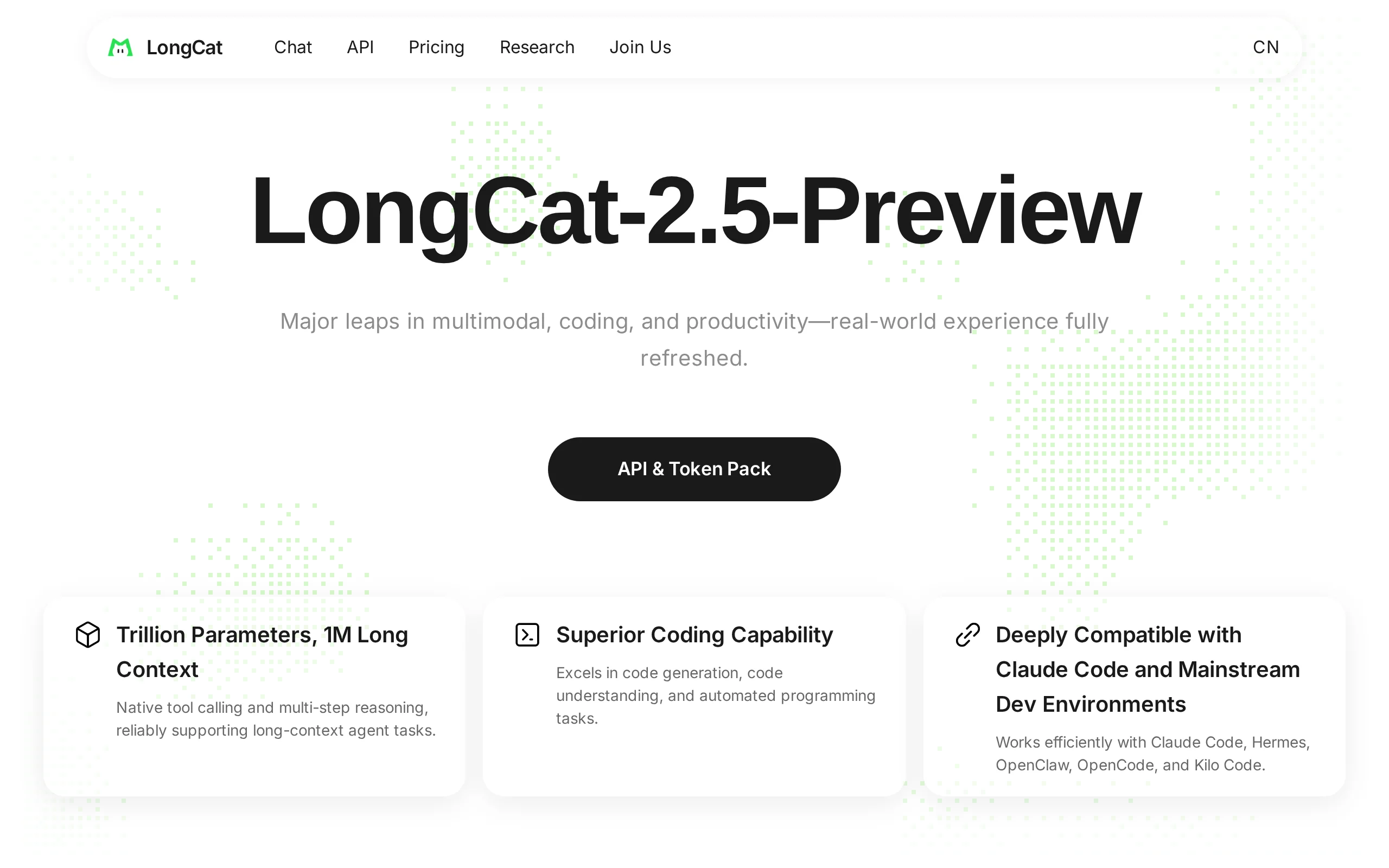
In-Depth Review of Longcat-2.5-preview: Meituan's Next-Generation Multimodal Long-Range Agent Model
LongCat-2.5-preview is Meituan's latest next-generation large model. Building upon the 1.6T total parameters, approximately 48B active parameters, and native 1M token context of LongCat-2.0, it marks ...
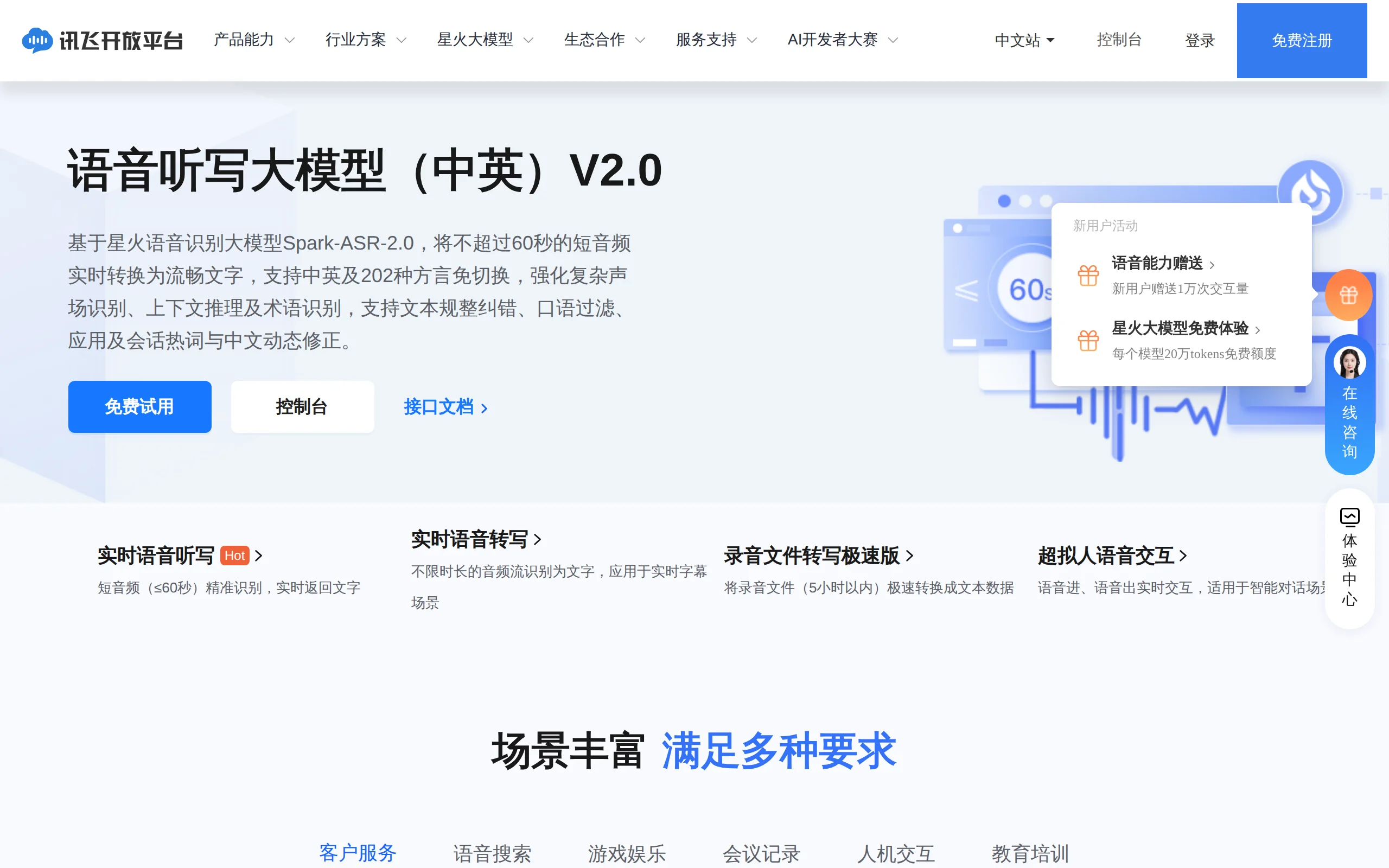
In-Depth Review of Spark-ASR-2.0: A New Paradigm in Speech Recognition with Non-Autoregressive Architecture
Spark-ASR-2.0 is the latest generation speech recognition large model launched by iFLYTEK based on its proprietary Spark-Audio speech foundation model. This model continues the non-autoregressive para...
Step Code – In-Depth Review of StepFun's Open-Source Terminal Programming Agent
Step Code is an open-source terminal programming agent launched by StepFun, licensed under the MIT License, which allows developers to complete the full workflow of code writing, debugging, execution,...
Xiaomi MiMo-V2.6 – Xiaomi's Open-Source Multimodal Model Series
Xiaomi MiMo-V2.6 is a series of fully multimodal models released and open-sourced by Xiaomi, comprising two native full-modal models: Pro and Flash. It is centered on large-scale Agentic reinforcement...
© All Rights Reserved. Some content on this site is partially generated by AI with human review.