
MiniMax H3 Max: Real-Time Video Generation Model Jointly Released by MiniMax and fal.ai
Executive Summary:
MiniMax H3 Max is a real-time video generation model jointly released by MiniMax and fal.ai. Its main selling point is speed: it can generate a 768p video from a 5-second input in under 3 seconds, whi...
MiniMax H3 Max is a real-time video generation model jointly released by MiniMax and fal.ai. Its main selling point is speed: it can generate a 768p video from a 5-second input in under 3 seconds, while generating audio at the same time. Live streaming teams, MCN agencies, and cross-border e-commerce teams can integrate it into their workflows; however, the 768p resolution cap and 15-second maximum duration mean it is not suitable for cinematic-grade production.
H3 Max is based on the open-source MiniMax H3 model, which fal.ai further trained with new data and verifiable reinforcement learning (RL). H3 was released on July 31, 2026, and is positioned as a general-purpose multimodal video generation model capable of understanding text, images, video, and audio simultaneously. MiniMax optimized the model for high-speed inference. The model is available through the Video Generation V2 API on the MiniMax Open Platform and the MiniMax Design visual interface, and fal.ai also offers a free trial page.
Real-Time Generation Speed
Speed is H3 Max's primary selling point. According to the release materials, it can generate a 768p video from a 5-second input in under 3 seconds, and a 15-second video in approximately 15 seconds. Its throughput is about 35 times that of the original H3 model, supporting high-concurrency real-time live streaming. Independent verification results have not yet been published, so actual performance still needs to be tested.
These figures should be considered alongside the output specifications: 480p/768p resolution, 24fps, 5–15 seconds in duration, with audio generated simultaneously. For tasks requiring 2K resolution or longer durations, H3 Max is not suitable.
Capability Boundaries
H3 is a general-purpose multimodal foundation model capable of understanding text, images, video, and audio simultaneously. H3 Max primarily takes text and images as input and generates video clips with audio as output.
H3 Max ranks first on the image-to-video leaderboard in both the Artificial Analysis and Design Arena, and the fal.ai page also indicates it is ranked #1.
Access and Free Quotas
There are two official ways to access the service: the Video Generation V2 API on the MiniMax Open Platform, and the MiniMax Design visual interface. The API accepts text or image inputs and returns videos; the Design interface is aimed at non-developers, allowing users to enter prompts or upload images directly to generate videos.
fal.ai provides a standalone H3 Max page with a daily free quota: 5 videos of 5 seconds each at 768p resolution with native audio, without requiring registration. API pricing is not publicly disclosed; actual costs are determined by the Open Platform's billing system.
Differences Between Open Source and Hosted Versions
The base model of H3 Max, H3, is open source, with code and weights published on GitHub (MiniMax-AI/MiniMax-H3) and Hugging Face (MiniMaxAI/MiniMax-H3). According to the release materials, the open-source H3 achieved over 24 million downloads within three weeks and led to the development of more than 300 derivative models.
There is a clear distinction between the open-source and hosted versions: the open-source release provides H3-Base, which can generate 768p videos, while the hosted systems H3-Context-IR and H3-Regenerate-2K are not included in the published weights. The weights for H3 Max have not been released in the open-source repository and are currently only accessible via API and hosted services.
Selection Recommendations
When choosing a model, H3 Max is suitable for teams that prioritize generation speed: live streaming, real-time audience instruction rewriting, batch short video production, and cross-border e-commerce localized content. The free quota is sufficient for validating results at no cost. Teams requiring on-premise deployment are better served by the open-source H3. For film-grade production, alternative tools should be considered.
Sources and Project Links
- Official Integration Documentation: https://platform.minimaxi.com/接入
- Open Source Repository:
Related AI Model Articles
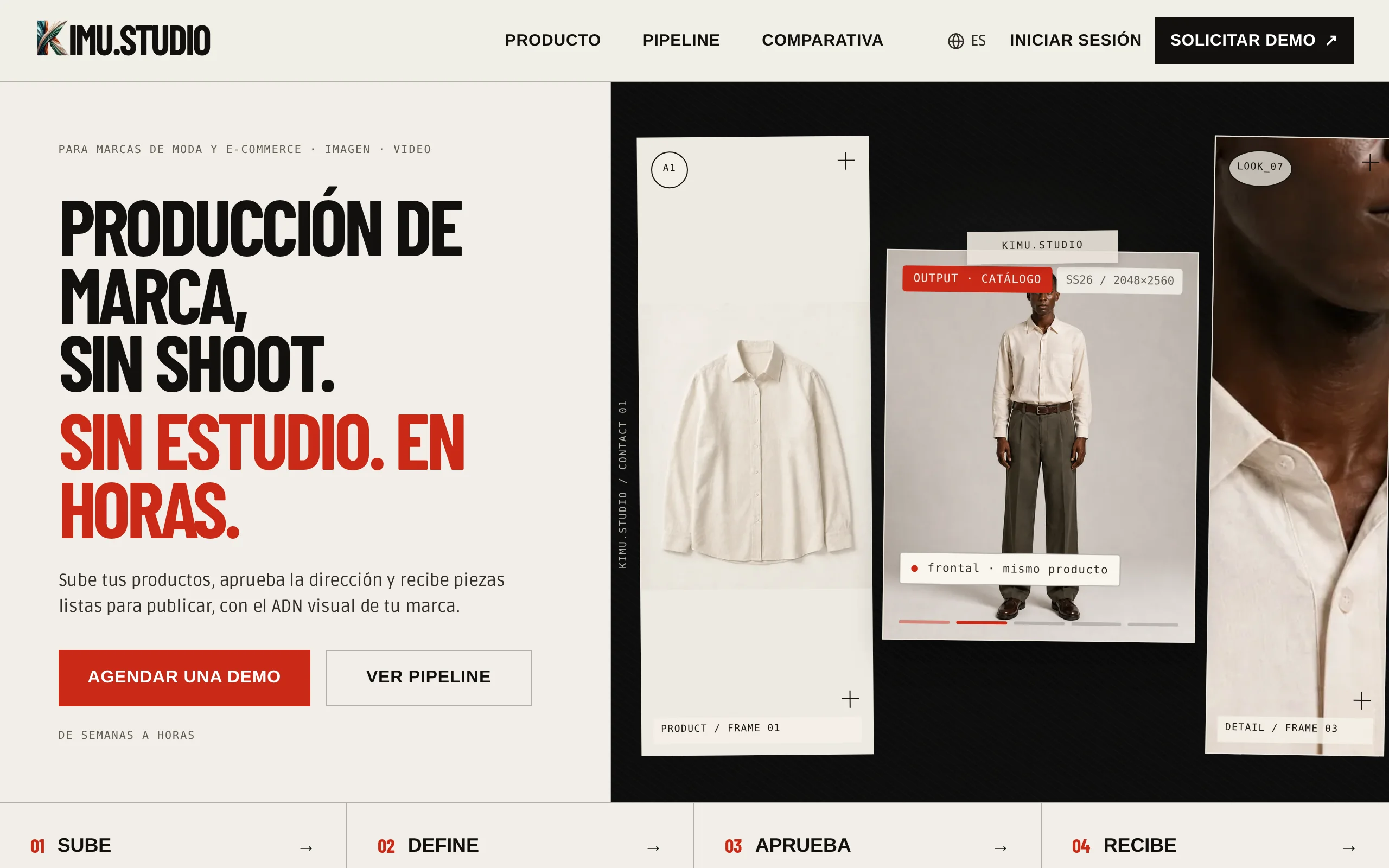
Kimu: In-Depth Review of the Open-Source AI Video Editor from the trykimu Team
Kimu (officially named Kimu Studio) is an open-source AI video editor developed by the trykimu team. Its core concept lies in describing requirements through natural language, allowing AI to automatic...

Qwen-Audio-3.1: A Full-Stack Evaluation of the Qwen Audio Large Model Series
Qwen-Audio-3.1 is a series of large audio models launched by Alibaba's Qwen. It consists of five models: ASR speech recognition, ASR-Next audio understanding, TTS speech synthesis, TTS-Next audio crea...

Qwen3.8-LiveTranslate – A Real-Time Simultaneous Interpretation Model Launched by Alibaba Tongyi
Qwen3.8-LiveTranslate is a real-time simultaneous interpretation large model launched by the Tongyi Qianwen team at Alibaba. Based on the Interleave single-stream architecture, it processes audio and ...
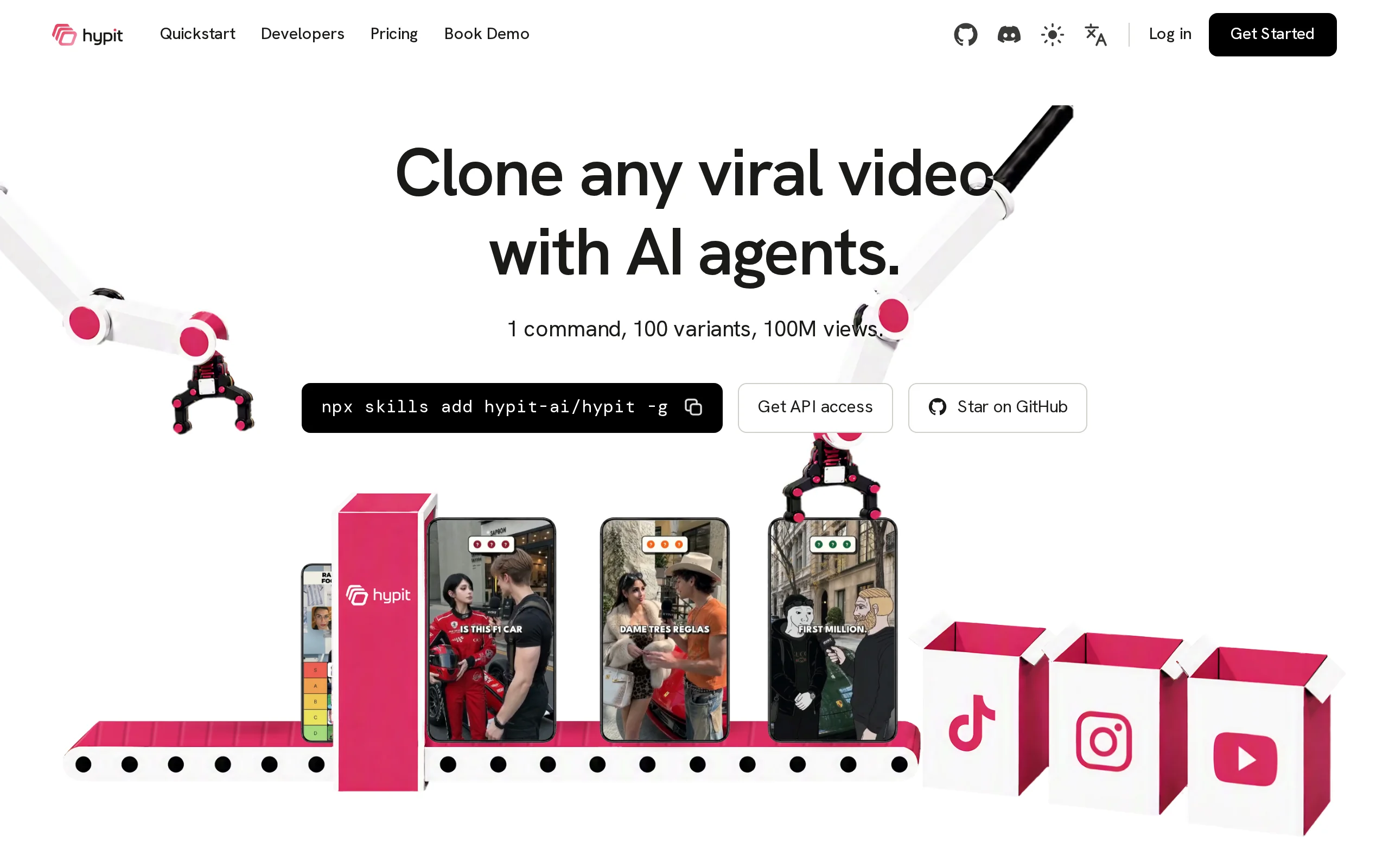
Hypit – Open-Source AI Video Generation Tool, Automatically Replicates Viral Videos
Hypit is an open-source AI video generation tool, centered on the methodology of "Provide an Agent with a viral video, and it will automatically replicate the entire workflow." It breaks down viral vi...
© All Rights Reserved. Some content on this site is partially generated by AI with human review.